


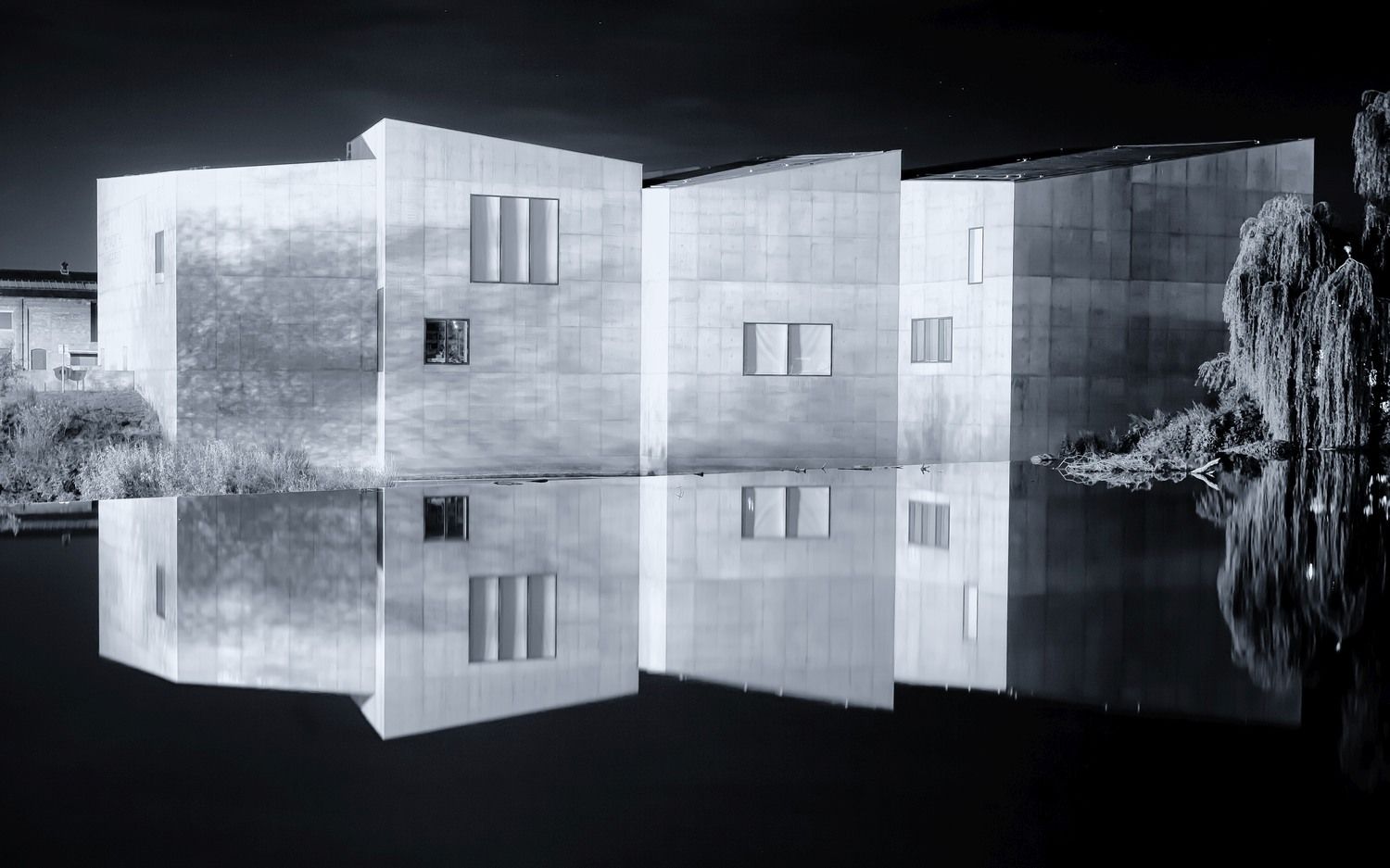

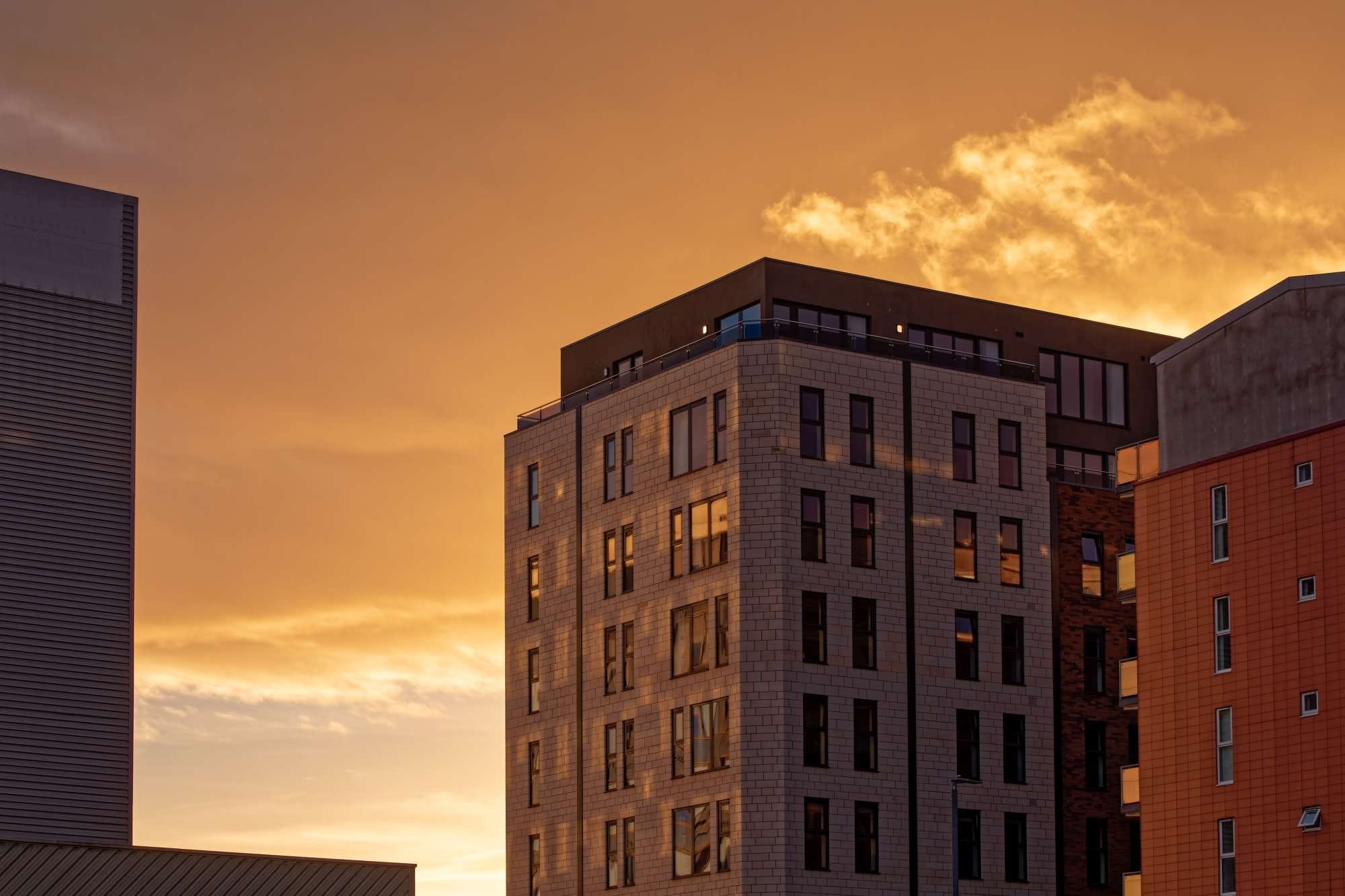

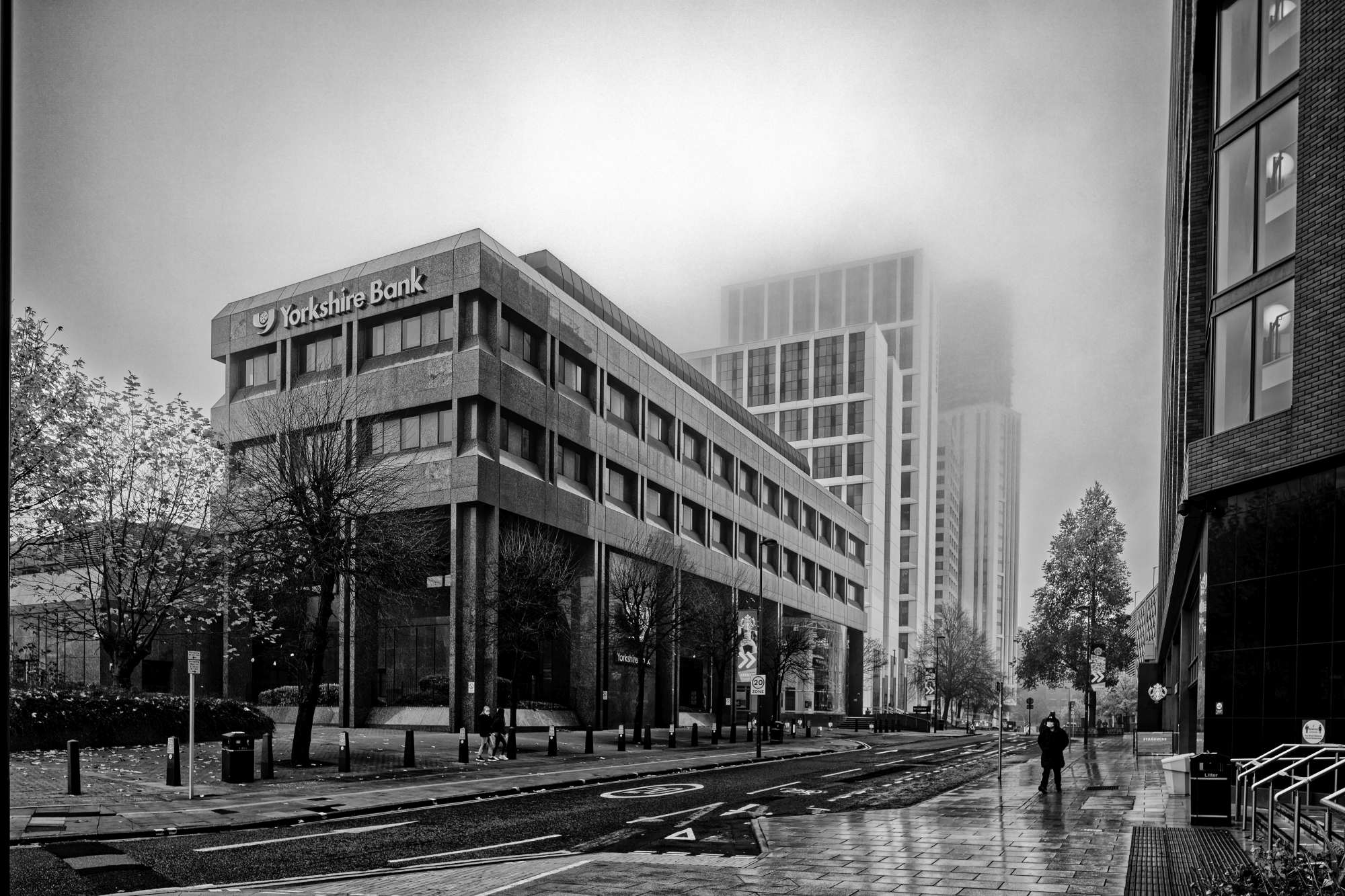


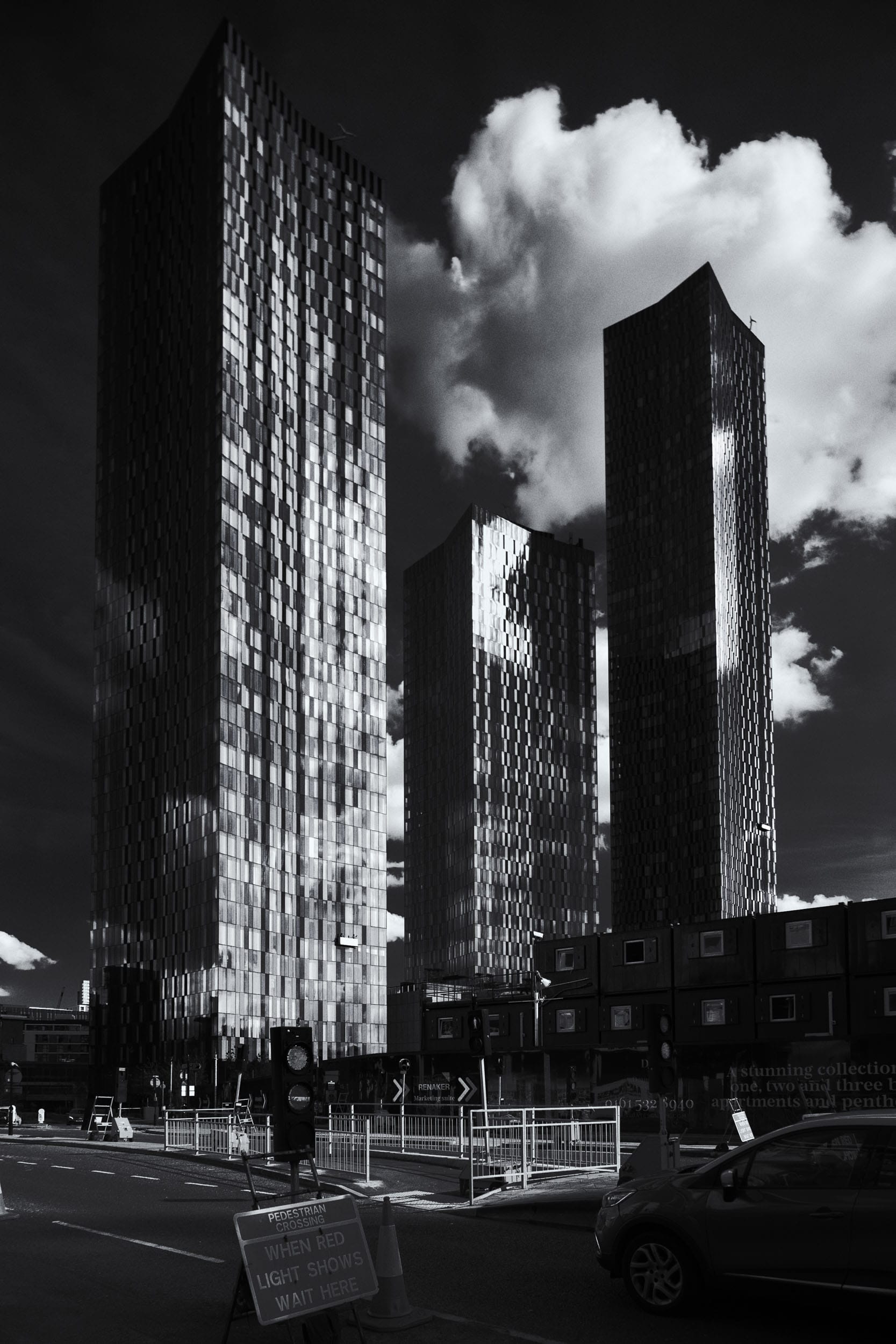





Architectural Photography
Architectural photography in 2026 is about showing buildings as they actually are — well-designed, well-built, and worth investing in — not bending them into something dramatic that looks great on Instagram but useless everywhere else.
That’s how I approach it.
I’ll explain what I mean.
What is architectural photography actually for in 2026?
It’s visual proof that a building does what it’s supposed to do.
Yes, it needs to look good — but more importantly, it needs to look right.
Architectural photography now gets used for:
Websites and portfolios
Planning submissions and reports
Bid documents and tenders
Investor decks
Press and PR
Long-term records of finished work
So the images need to be accurate, calm, readable, and credible. Not warped. Not overcooked. And definitely not “moody for the sake of it”.
How do I photograph buildings so they look right, not just dramatic?
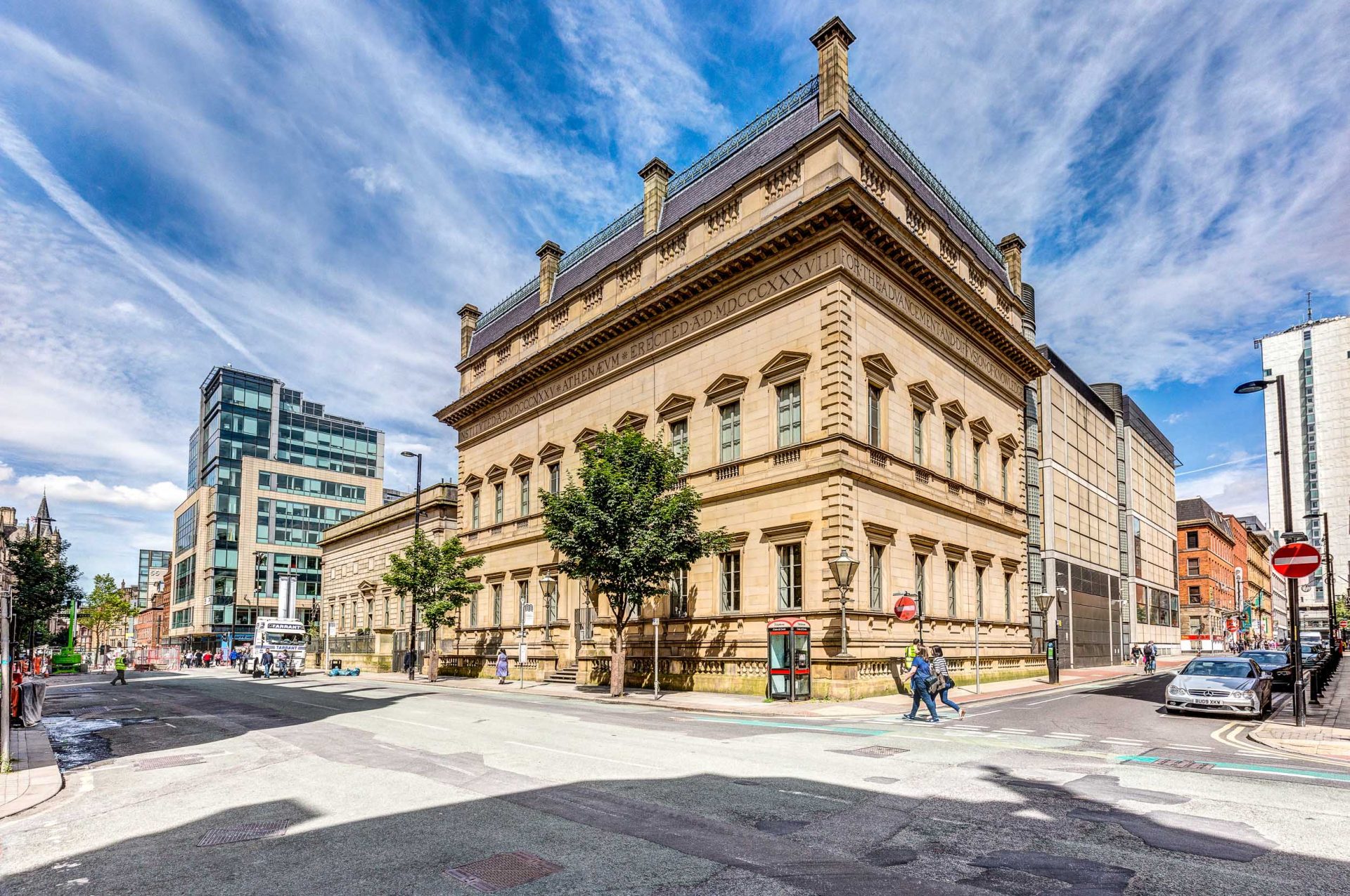
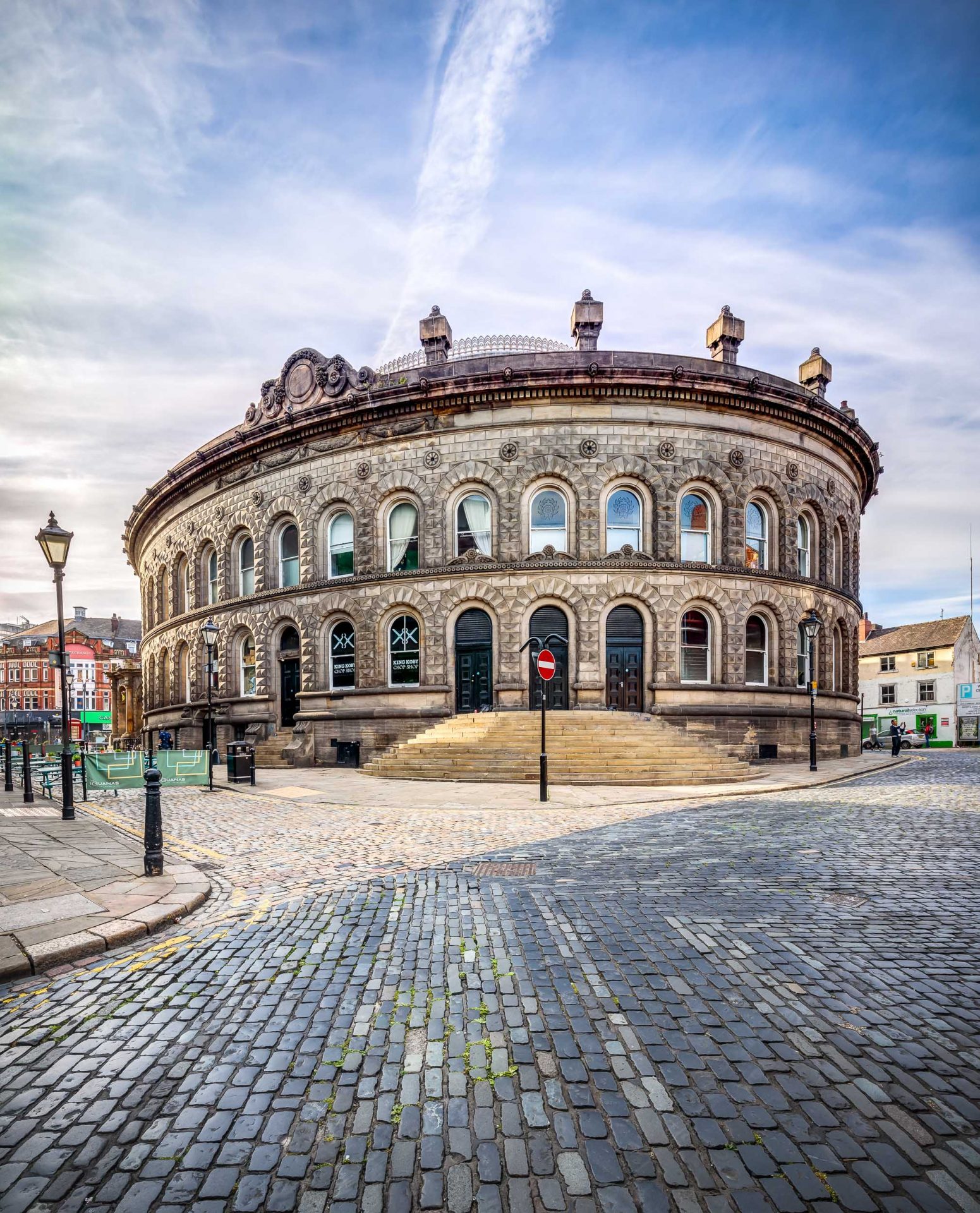
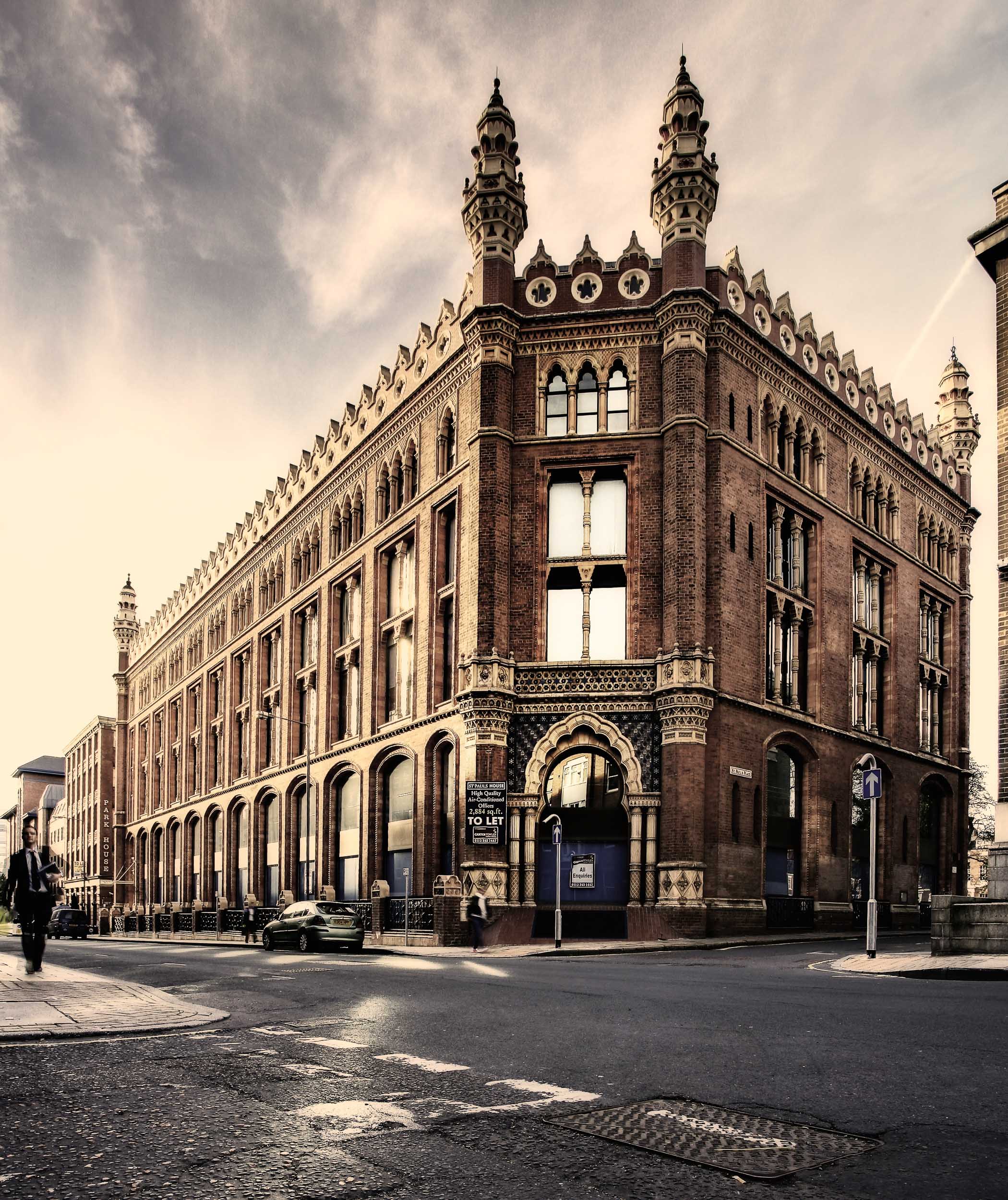
I photograph buildings like buildings, not sculptures.
That means I care about proportion, balance, and how the space actually feels when you’re standing there.
I’ll spend time:
Choosing angles that make sense architecturally
Waiting for people or light to land in the right place
Avoiding gimmicky viewpoints that misrepresent scale
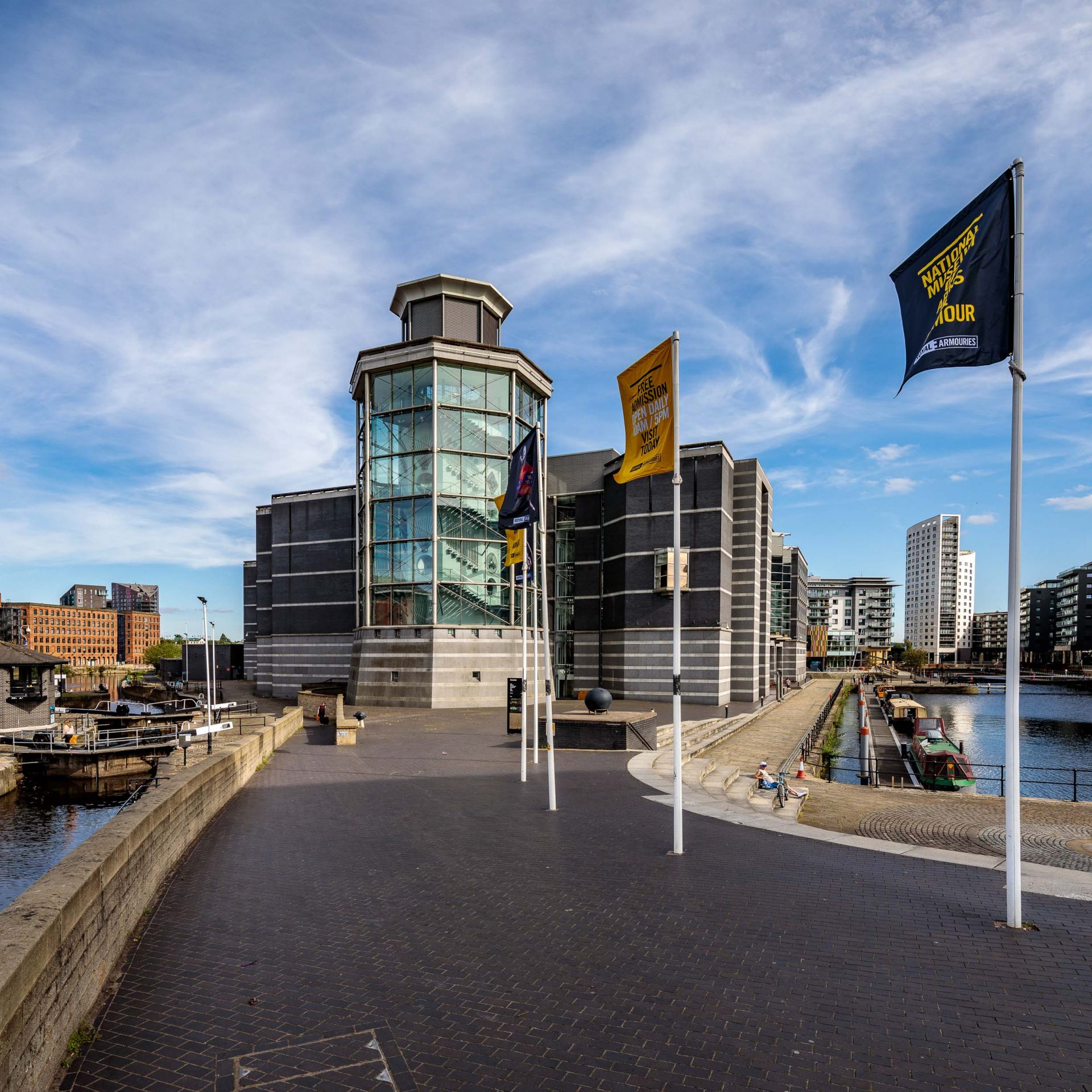
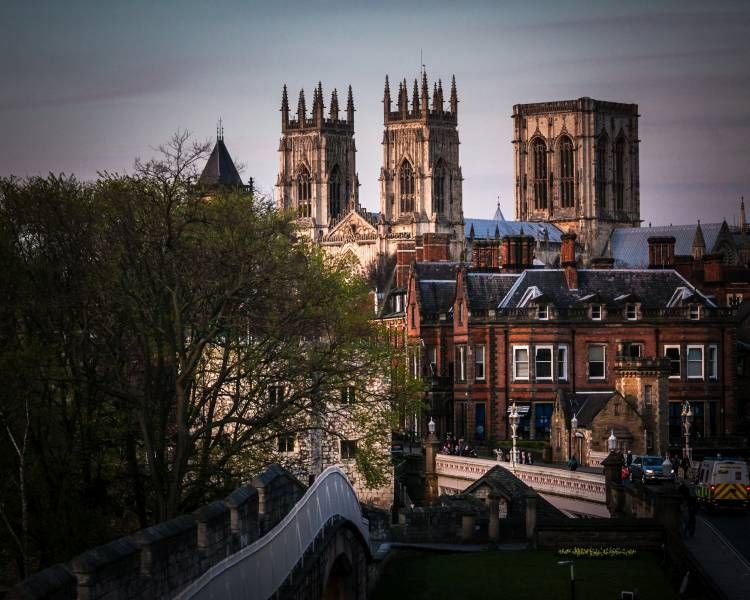
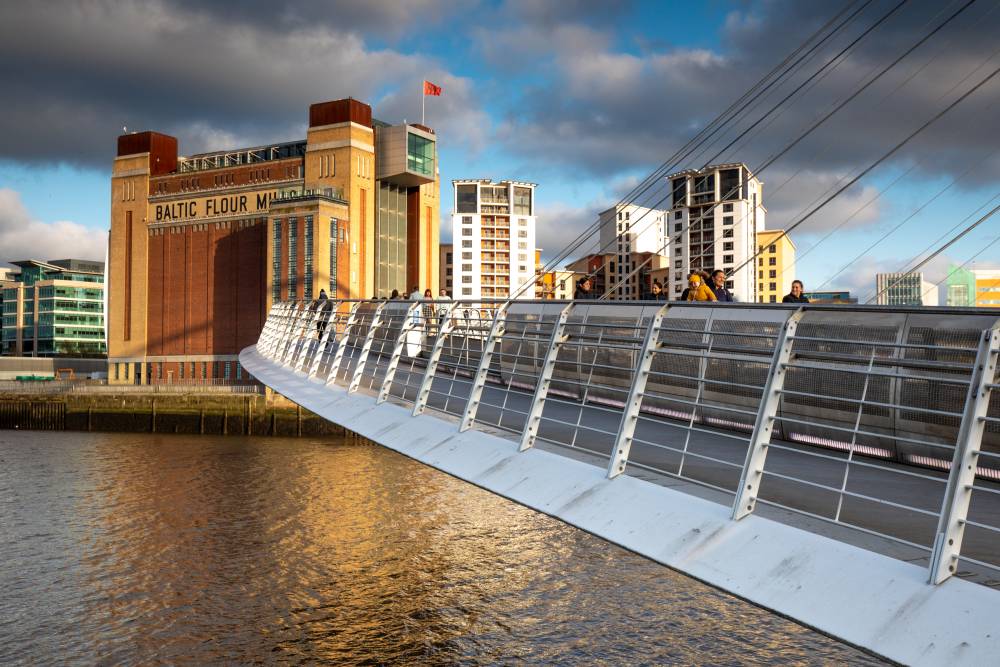
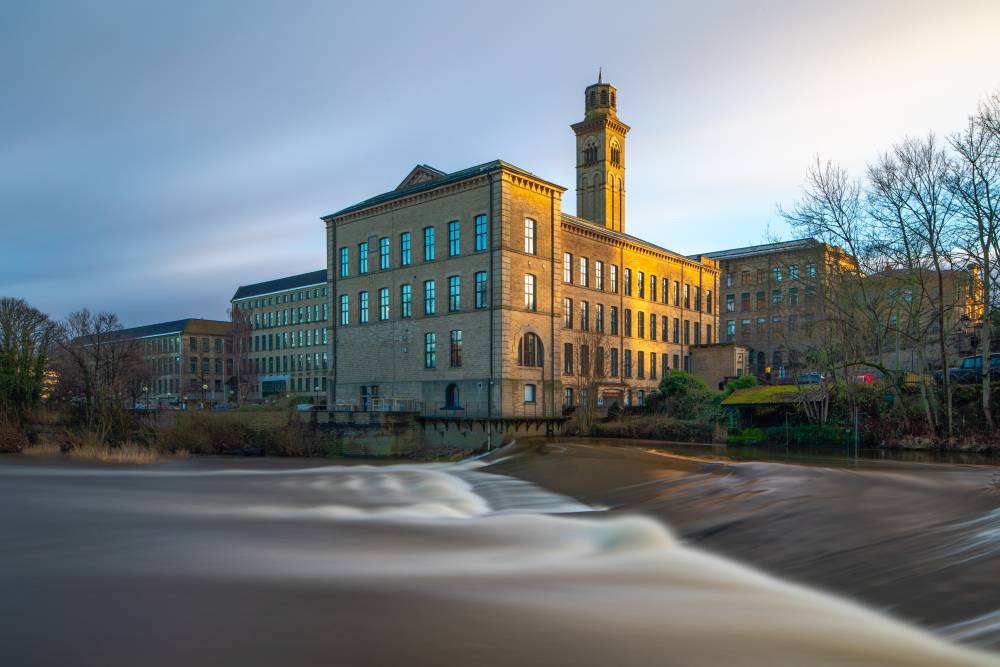
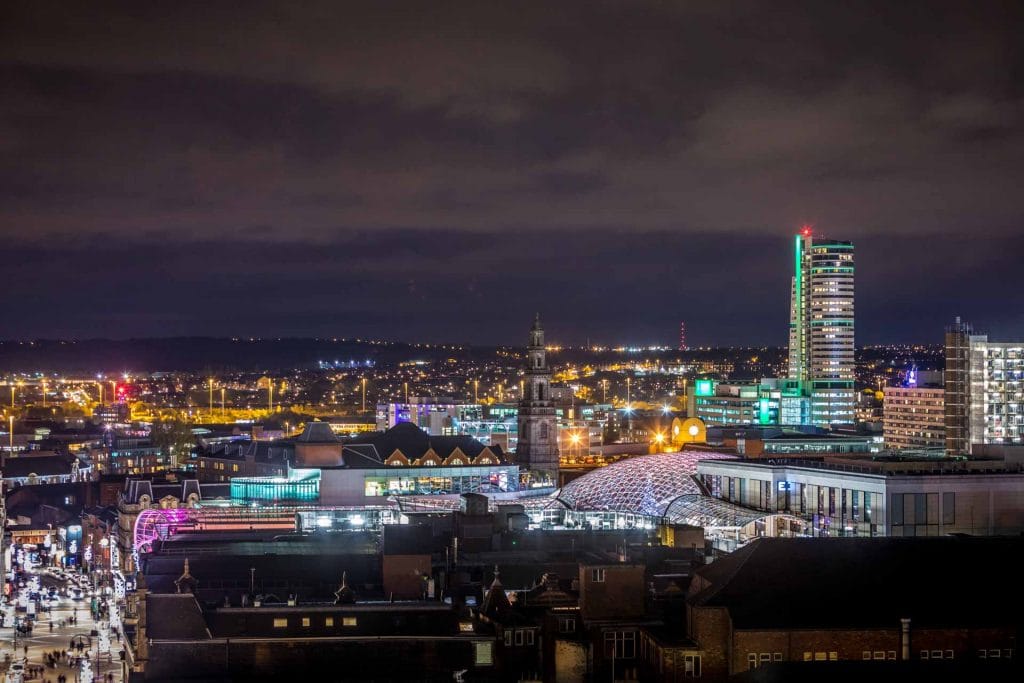
Showing how the building sits in its surroundings
The point here is simple: if someone who knows architecture looks at the photo, nothing jars.
Why do straight lines and perspective really matter?
Because buildings aren’t meant to look like they’re falling over.
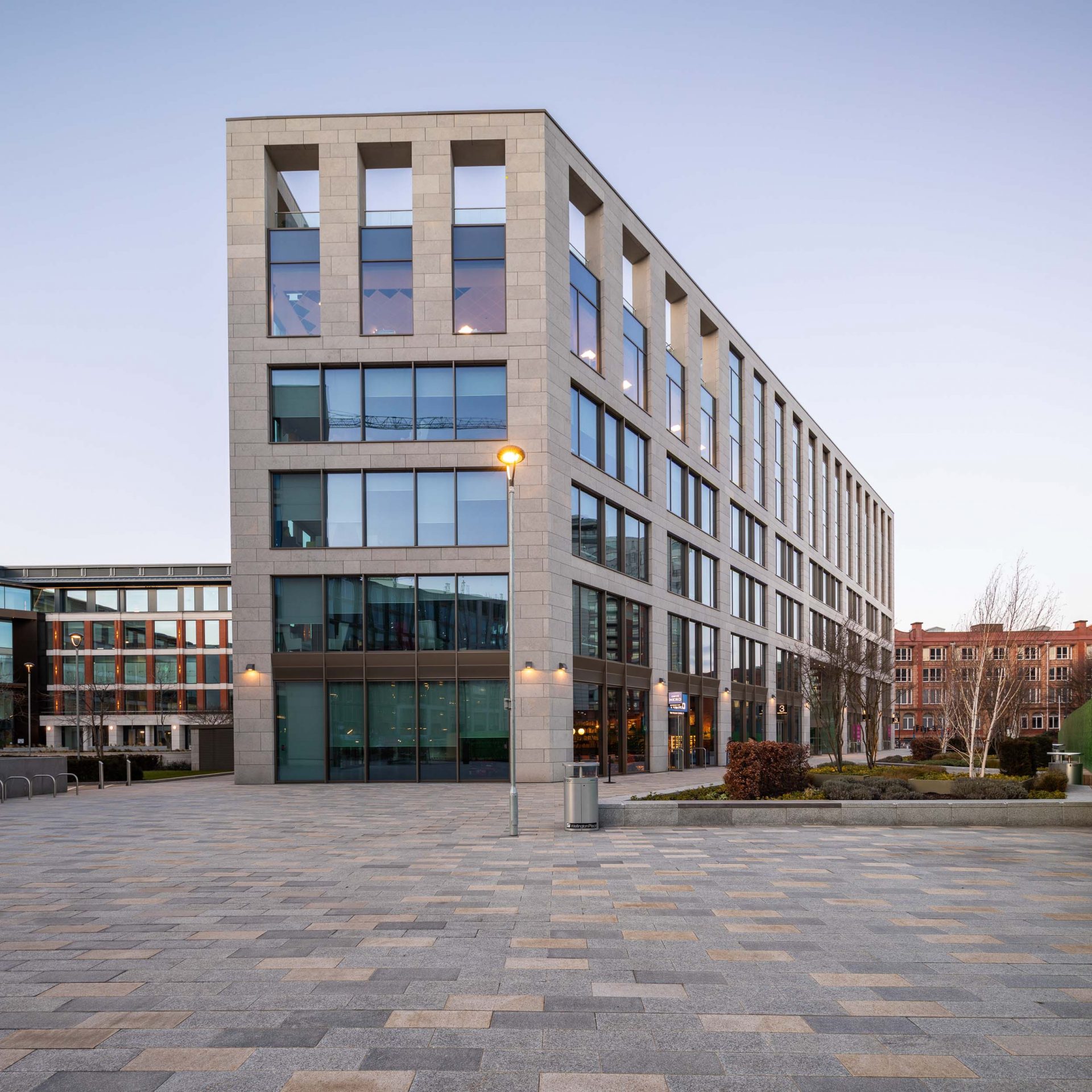
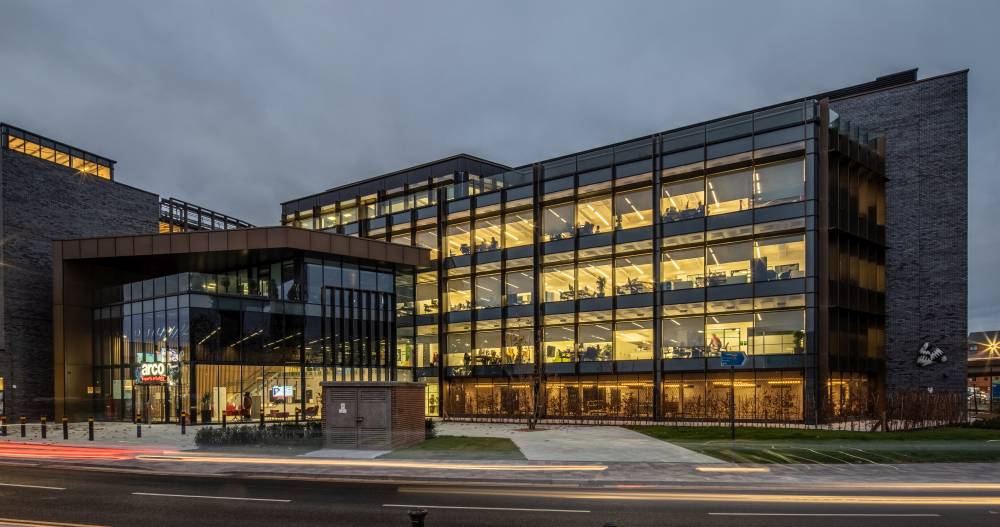
This is where proper architectural kit matters. I use tilt-shift lenses — not because they’re fancy, but because they keep verticals vertical.
Phones and wide lenses tend to:
Stretch buildings
Pull walls backwards
Make windows lean
Shrink spaces that aren’t actually small
That might look “dynamic”, but it’s wrong. And once you’ve seen it, you can’t unsee it.
Straight lines = trust.
Trust = usable images.
Do I only photograph finished buildings?
No — I photograph projects at all the sensible stages.
Finished architecture is great, but there’s real value in documenting buildings just before handover, during fit-out, or once they’re occupied.
That could mean:
Empty, pristine spaces
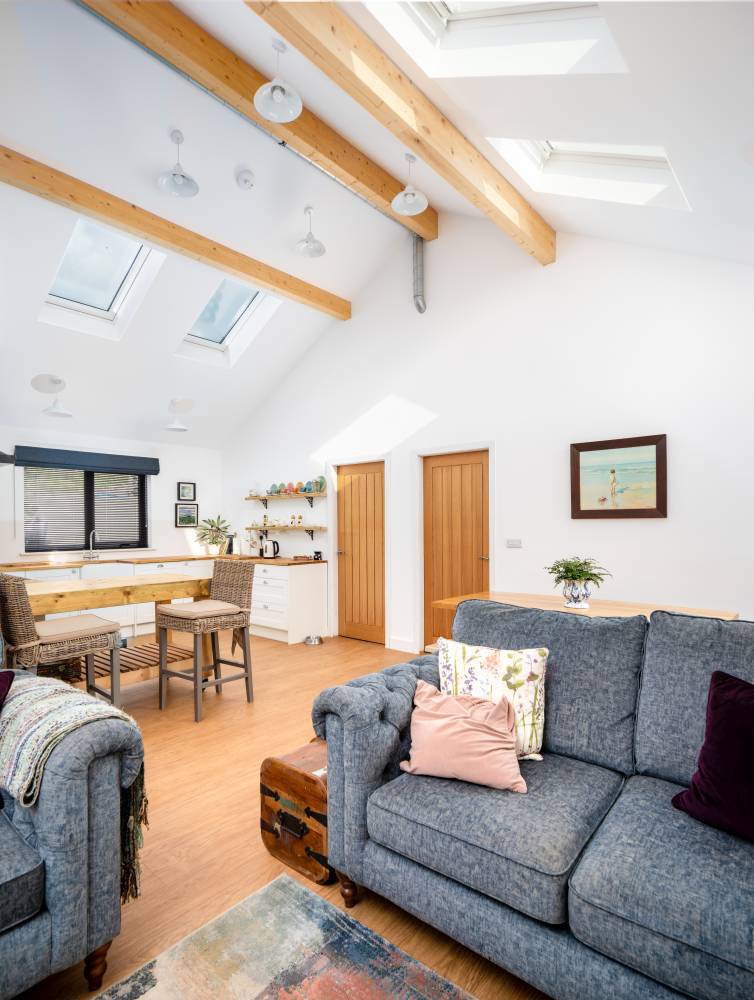
Lightly furnished interiors
People actually using the building
Exterior shots once landscaping settles
We plan this properly, so you don’t just get one hero shot — you get a set that actually tells the story.
How much do lighting, weather, and timing matter?
More than most people realise.
Architectural photography is slow photography — on purpose.
I’ll think about:
Time of day and sun direction
Whether the building suits hard light or soft light
How reflections behave on glass
When a space is best photographed empty vs in use
Sometimes that means waiting. Sometimes it means coming back. That’s not inefficiency — that’s how you get images that still work five years from now.
Who actually uses my architectural photography?
People who need their buildings to stand up to scrutiny.
Typically that’s:
Architects and practices
Developers and investors
Construction firms
Engineering consultancies
Property owners and operators
If your work needs to look credible to other professionals, this approach matters.
How are these images actually used?
They’re working assets, not just decoration.
Architectural photos from me get reused for years — not just launched once and forgotten.
They end up on:
Websites
Award submissions
Planning and consultation material
LinkedIn and professional press
Tender documents
Long-term archives
That’s why accuracy beats drama every time.
Phone photos vs proper architectural photography
| Casual / phone photos | My architectural approach |
|---|---|
| Warped lines | Correct verticals |
| Guessy angles | Considered viewpoints |
| Fast but disposable | Slow but long-lasting |
| Looks fine small | Holds up full-screen |
| Style-led | Purpose-led |
Is this approach right for your project?
If you want your building represented honestly, professionally, and in a way other professionals respect — yes.
If you want hyper-stylised, ultra-wide, bend-it-till-it-looks-cool imagery… probably not.
I care about how buildings are designed, built, and used — and I photograph them accordingly.