— MCFADE PHOTOGRAPHY — LEEDS
Photography,
Sorted
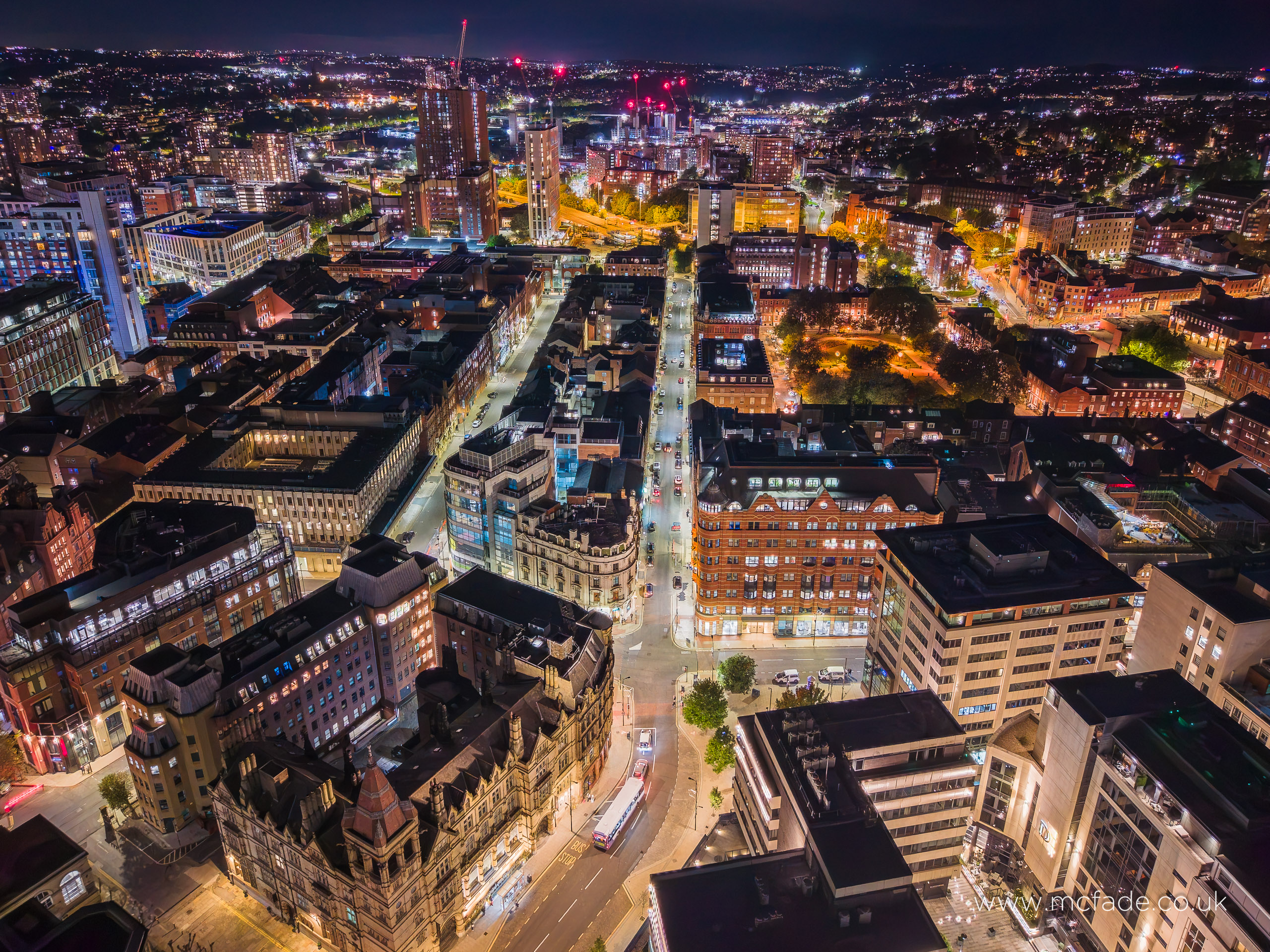
Commercial photography for construction, corporate teams and personal branding — Leeds based, working right across Yorkshire and the UK. Straightforward to book, no drama.
Where To Start
What Kind Of Shoot
Do You Need?
Construction, Engineering
& Manufacturing
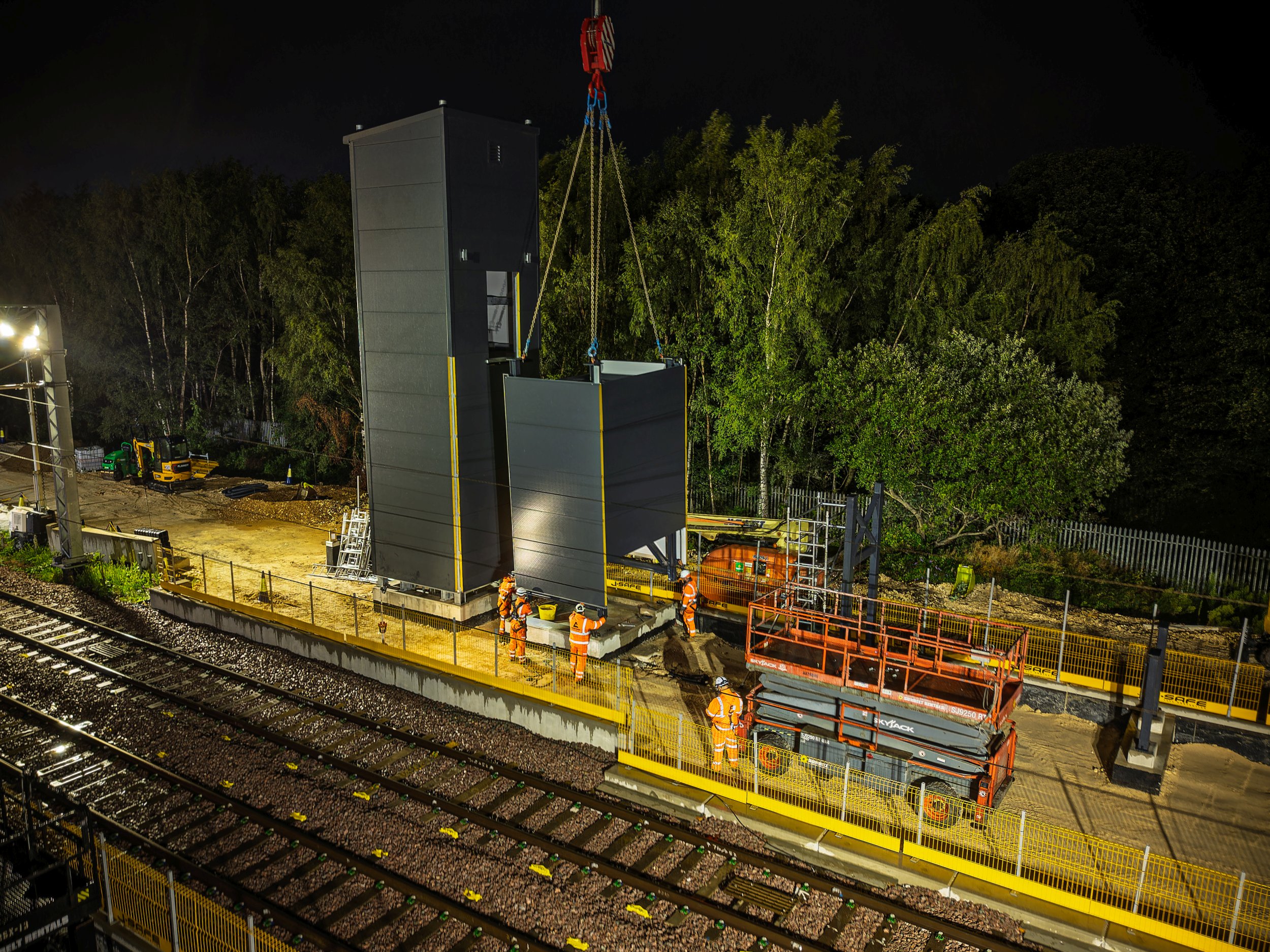
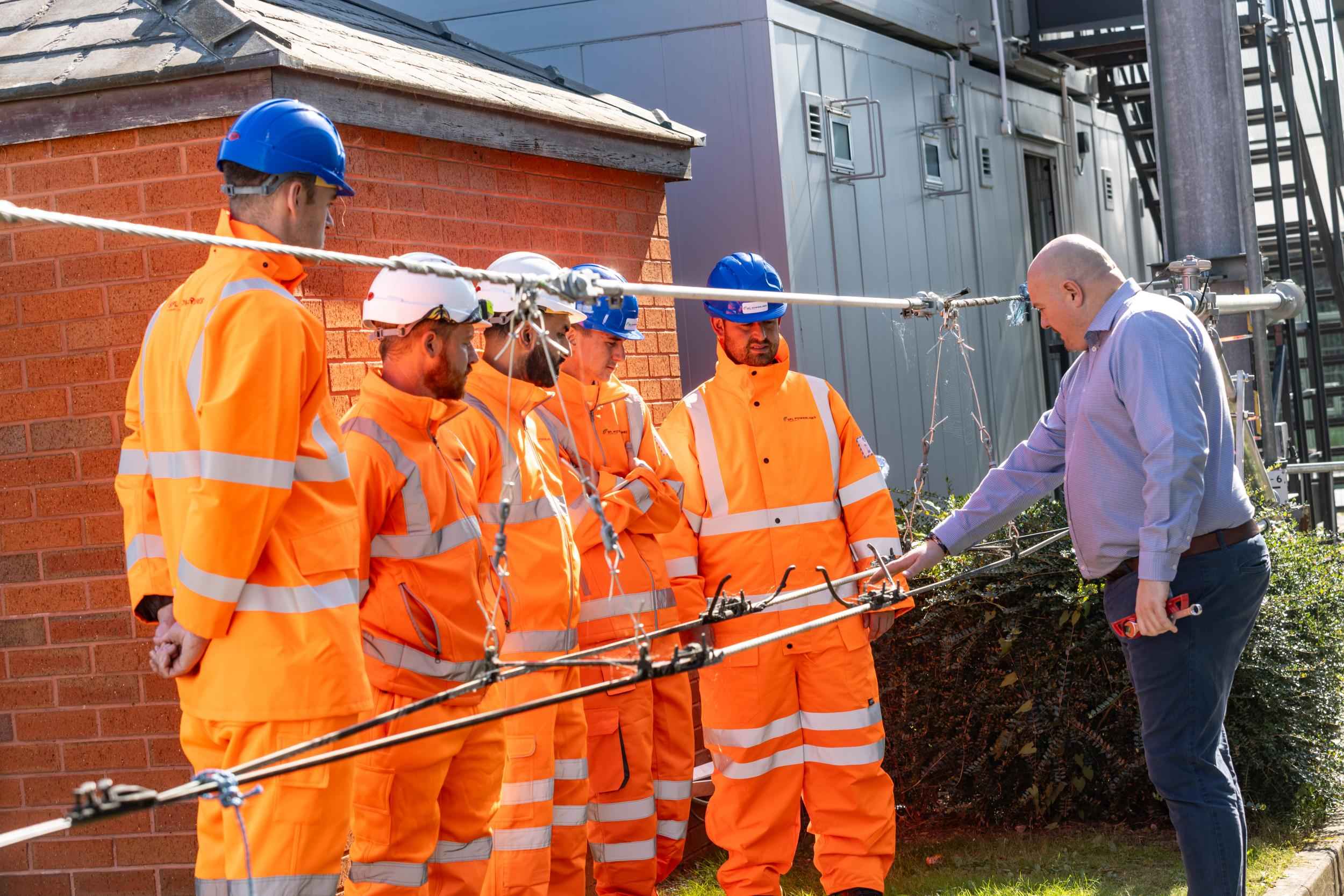
Progress, people and finished work across construction and manufacturing sites — shot for bids, PR and your website. Aerial coverage included where it earns its place.
Corporate &
Team Photography
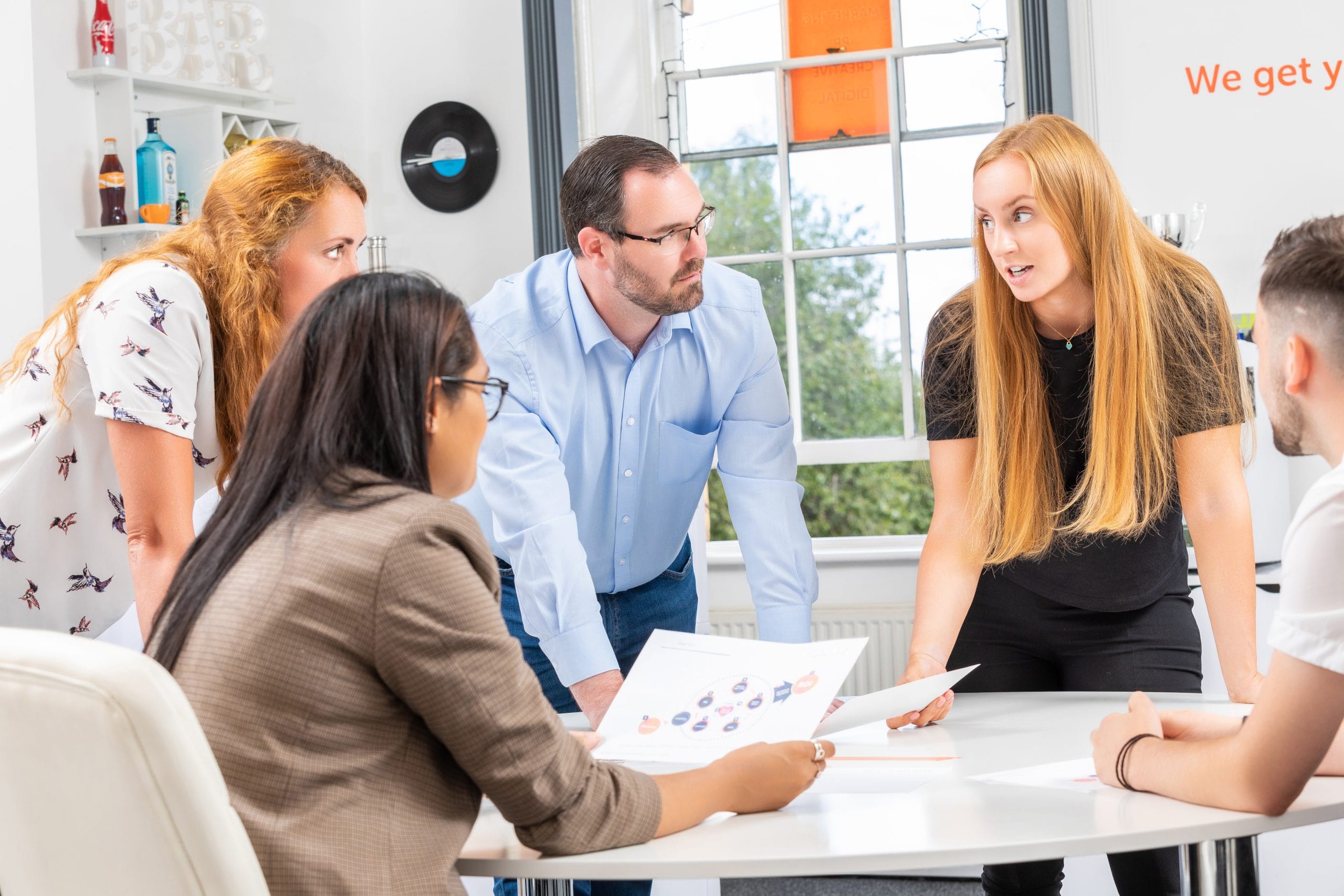
Headshots, workplace and team photography that looks like your business rather than a stock catalogue.
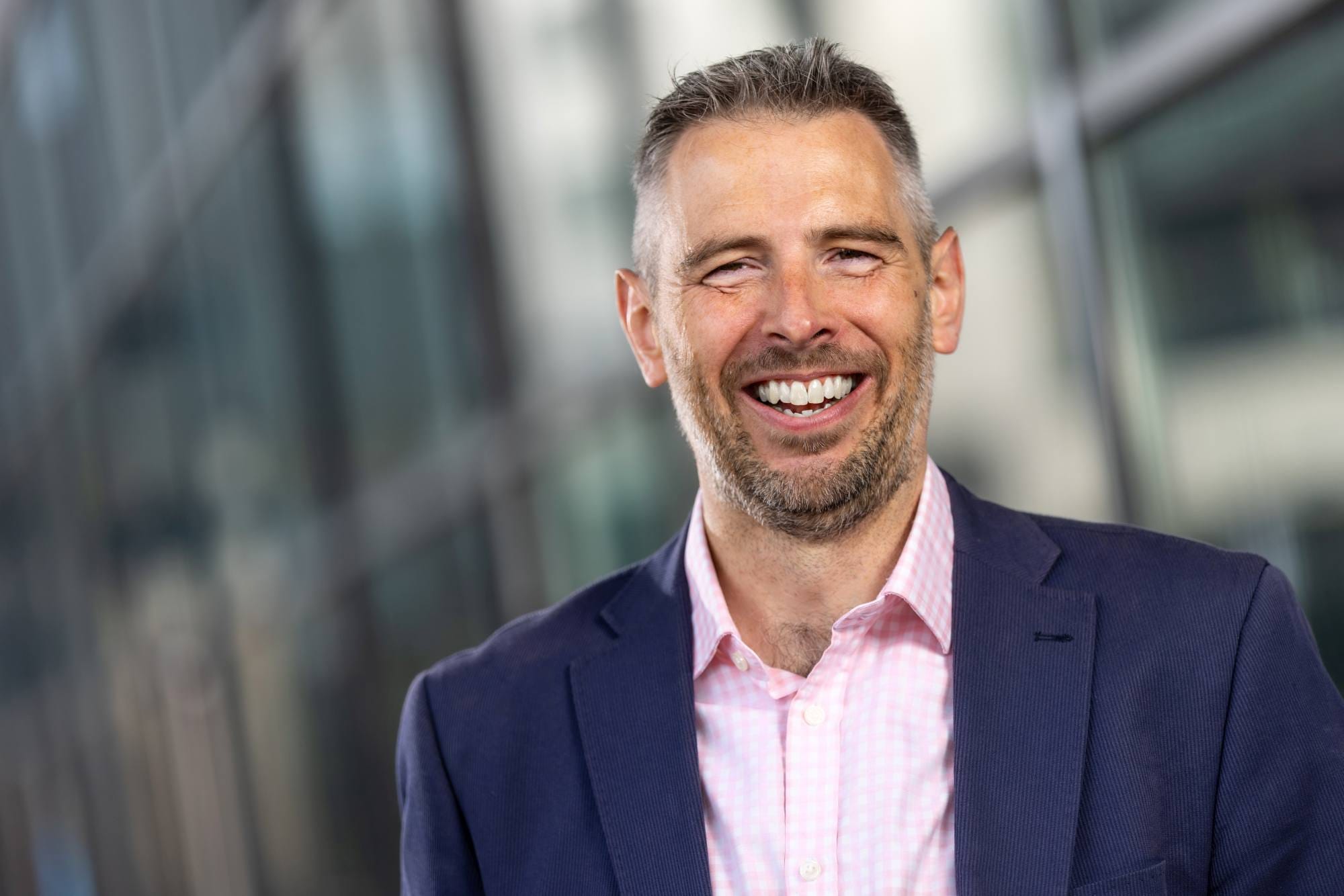
Personal Branding For
Founders & Directors
One session, a full library of images — for people who post, speak and pitch.

Drone Photography
& Video
CAA authorised aerial coverage — scale, context and progress, used only where height earns its place.
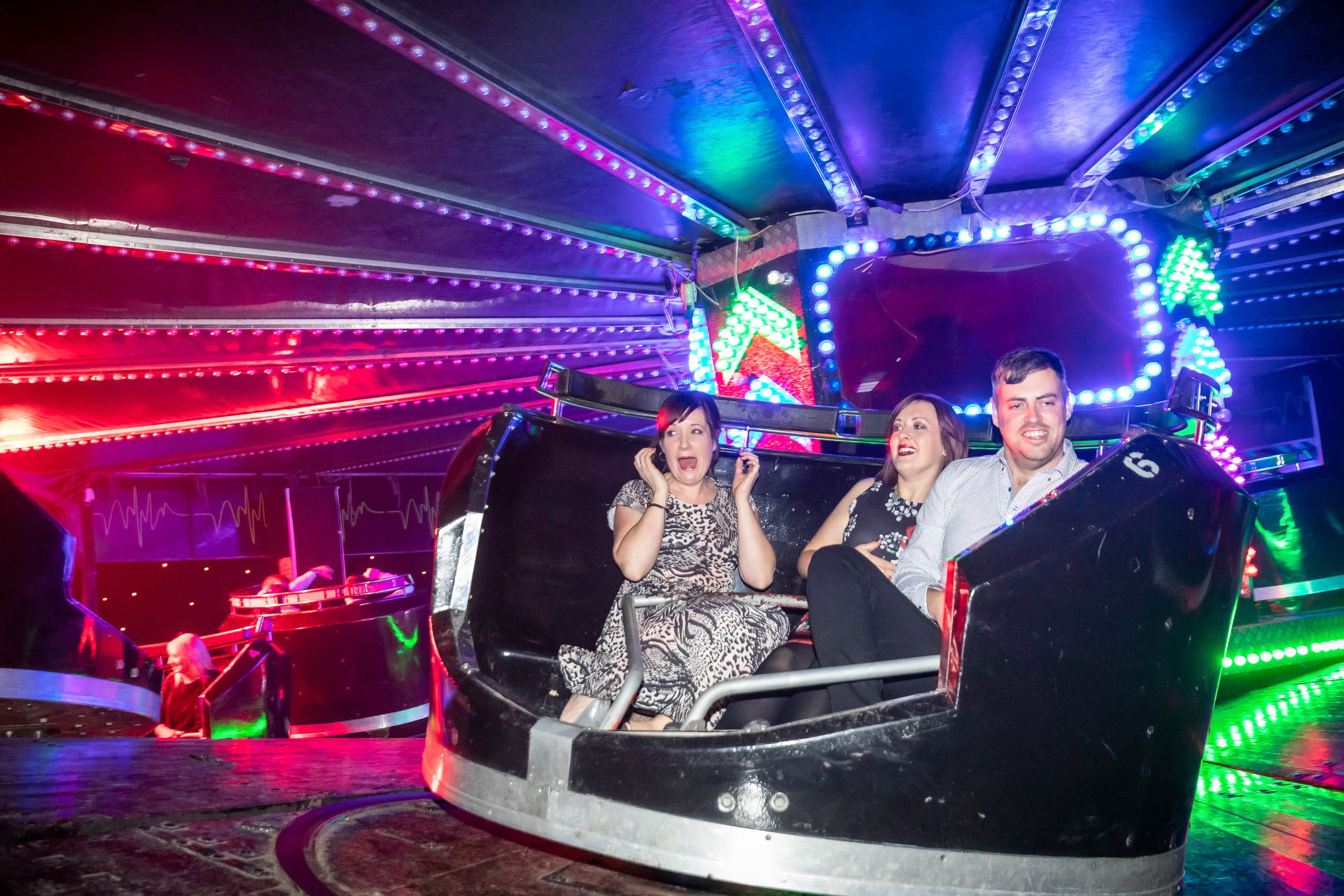
Event
Photography
Conferences, awards nights and company events — handled without getting in the way.

Buildings
& Spaces
Architecture, property and interiors — shot for marketing, planning and portfolios.
The Work In Context
Real Projects,
Real Results
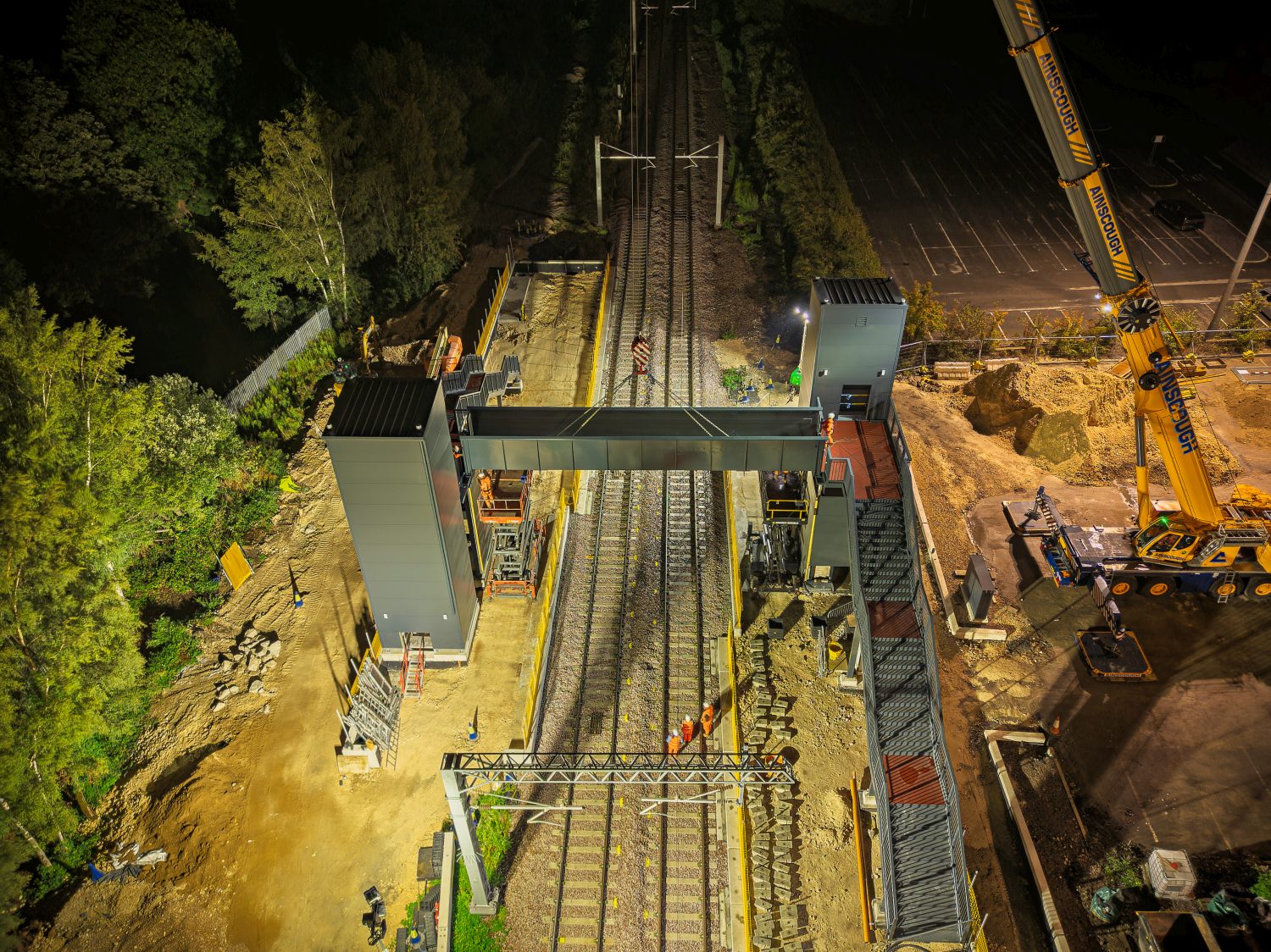
Construction → Amco Giffen, Magna Power Station → Overnight Lift & Bridge Install
Magna Power Station
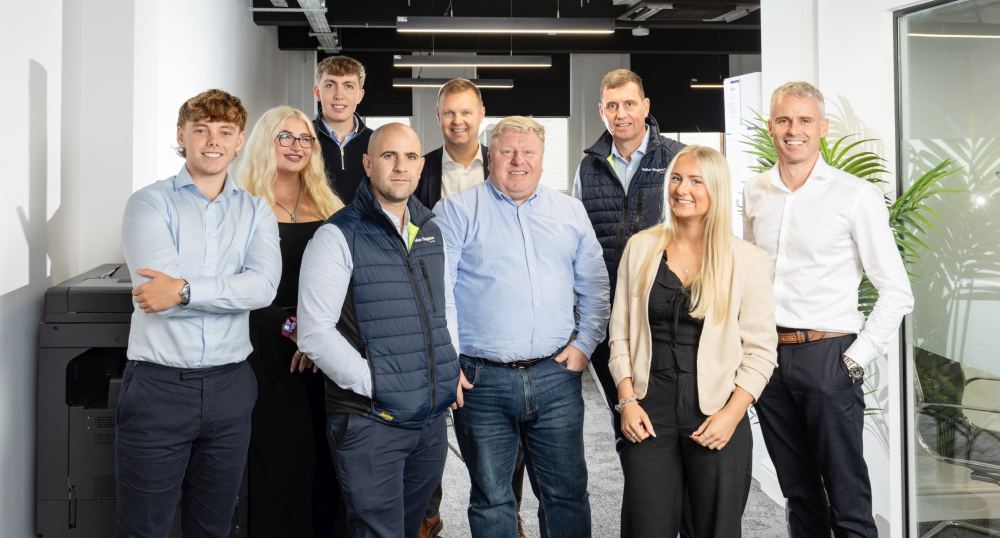
Corporate → Walker Singleton, Leeds → Team & Director Portraits
Walker Singleton
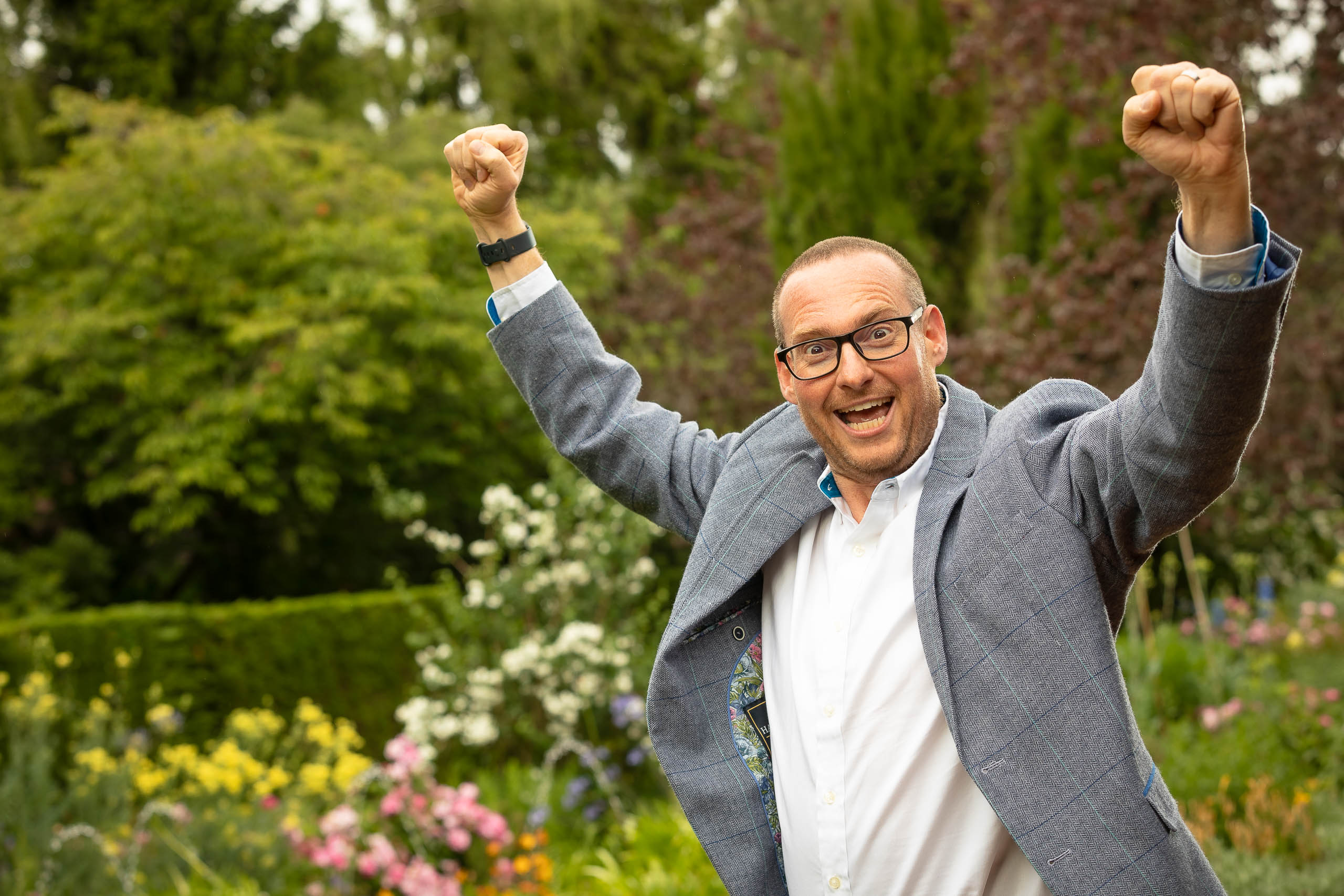
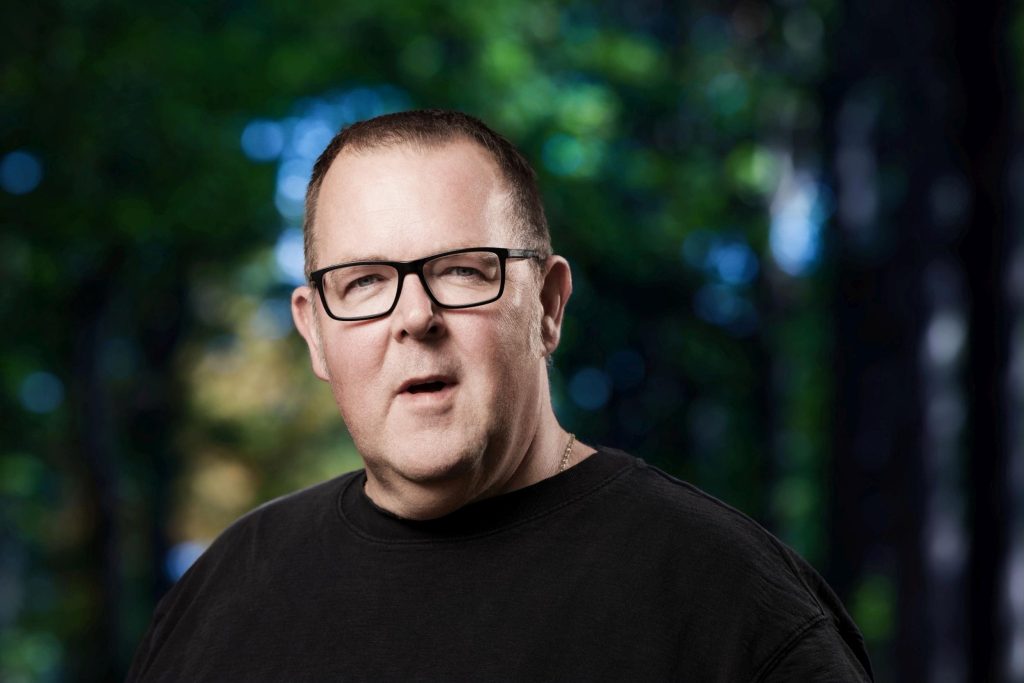
Personal Branding → Jonny Ross, Fleek Marketing → LinkedIn & Social Portraits
Jonny Ross
Where It Makes A Difference
Two Ways I
Stand Out
01 — Nobody Looks Like They’re Being Held Hostage
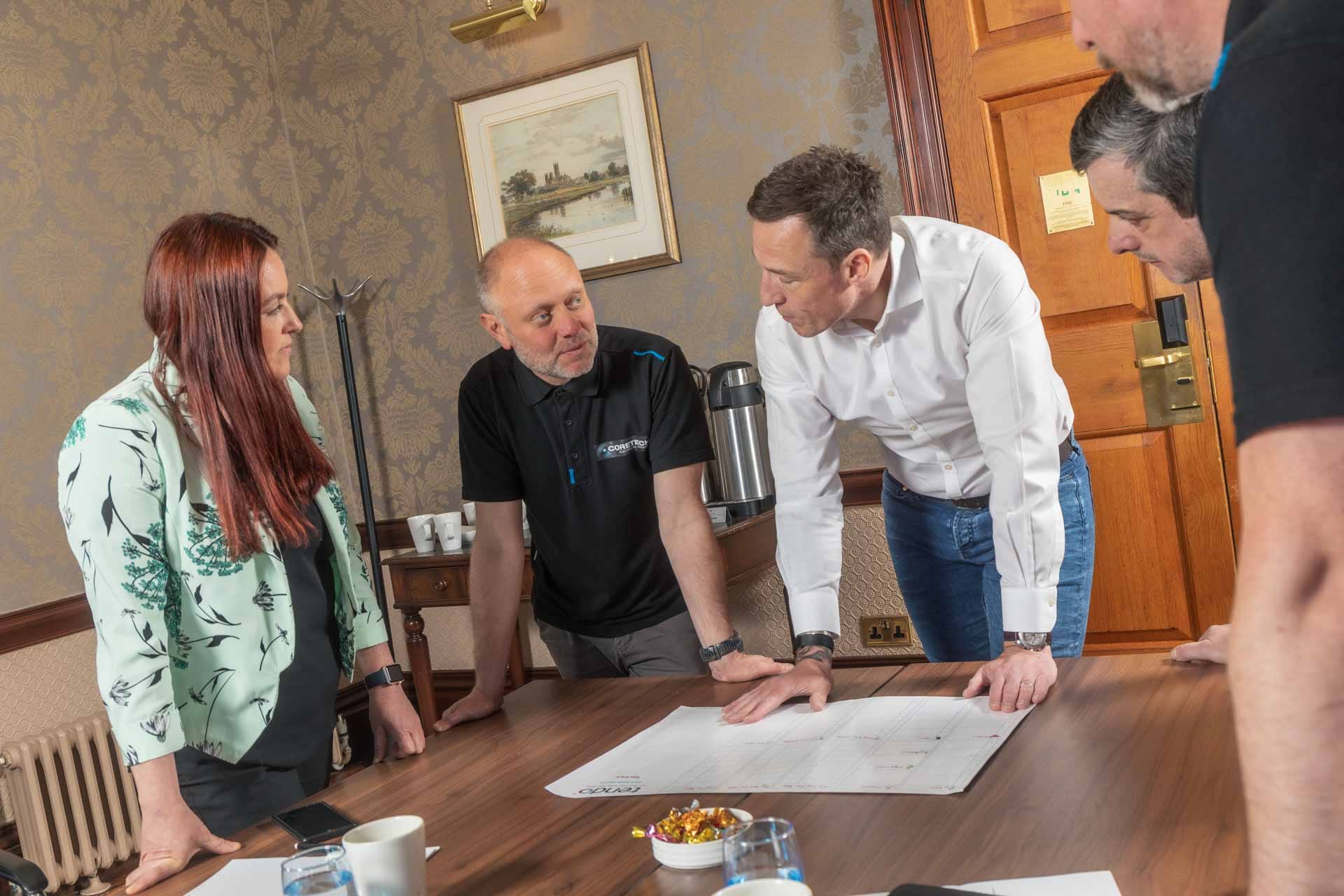
Corporate photography has a reputation for stiff poses and painted-on smiles. I direct people the way you’d direct a mate — a bit of banter, clear instructions — and everyone relaxes fast.
02 — Built To Be Used, Not Just Taken
Bids, recruitment ads, press releases, the website, LinkedIn — I shoot with the end use in mind, so the photos earn their keep instead of sitting in a folder.
Either way: photos people actually want to use, and a shoot that isn’t a performance to organise.
“I commissioned Ade for a headshot session for American Express GBT recently and I thoroughly recommend him. Not only is he an absolute delight to work with, well organised, responsive, on time, pleasant with everyone, and the shoot itself went very smoothly (and we are an unruly bunch). Ade then went far beyond his quote and delivered a huge number of very well touched up high quality pictures, putting each of us in their best light.”
— Konstanze Just, American Express GBT
What Clients Say
“Adrian took the photos for our new website when we opened our business. He’s a class act. He took lots of photos so we had loads to choose from. He had lots of ideas and was very patient and good-humoured. He sent us all the photos really quickly so we could choose our favourites. They’re on our website and look great. We will definitely be using him again.”
Simon Robinson, Law Firm
“Adrian did an amazing job for us for our company rebrand. Adrian’s photography has both reflected our repositioning and helped inform the new look we wanted. Adrian’s work during a single photo-shoot generated many highly professional and edgy images, creating a library of work we can use for a long time to come. His approach put us at our ease while directing with an eye on the final images.”
Mike Munt, Apogii
“It’s so good that you get shots in different environments such as meetings, presenting, head shots, individual, talking one to one etc as these are really versatile. The whole experience was relaxed and fun.”
Becky Whitaker, HE Lecturer
Who You’ll Be Working With
One Photographer.
No Account Managers.
You deal with me from the first email to the final delivery. I plan the shoot, take the photographs, edit everything myself, and deliver the finished images — no account managers, no handoffs, no one else in the loop.
Tell me what the images are for and I’ll tell you honestly what’s worth doing.