
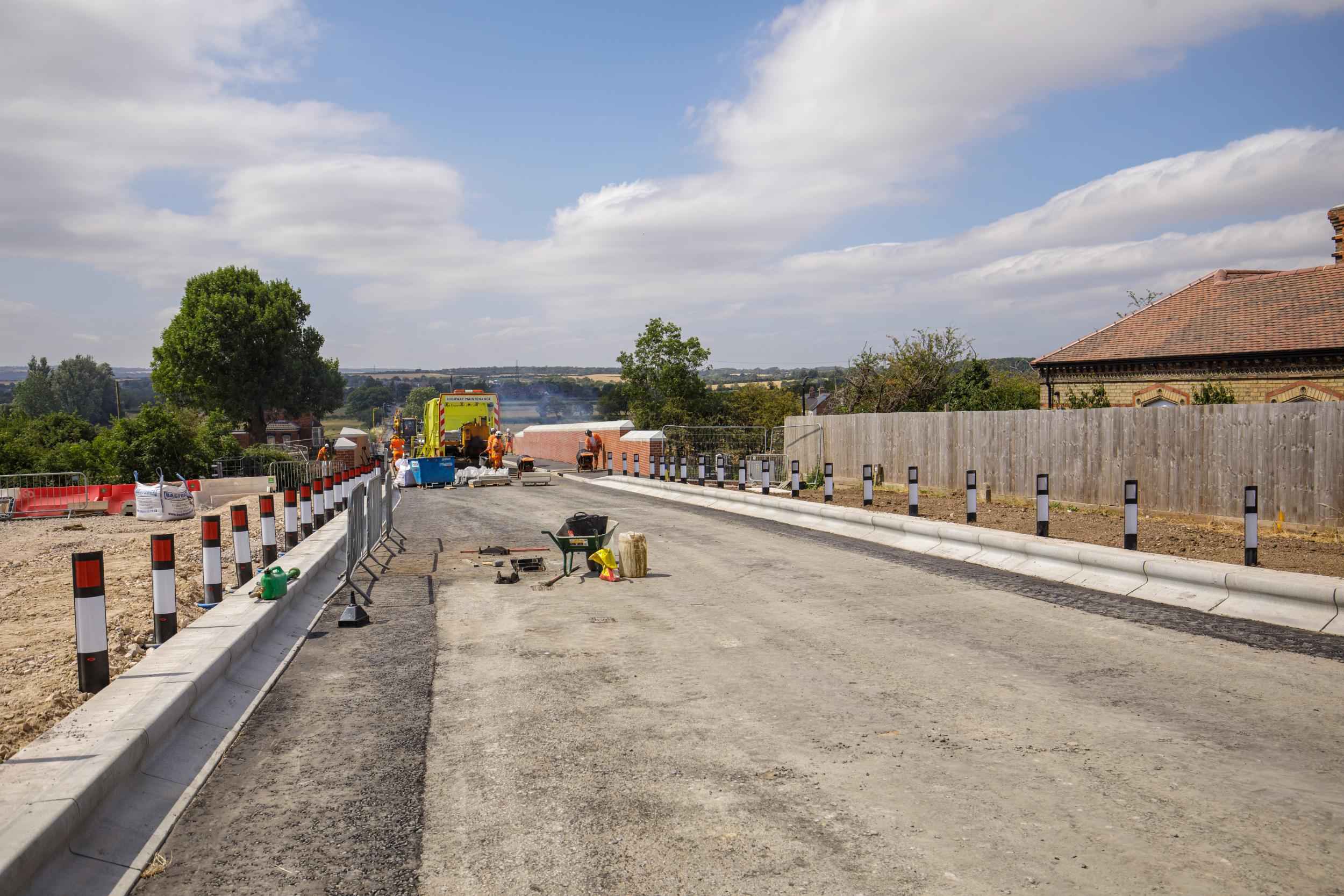
Construction, Engineering & Manufacturing Photography · Yorkshire
Construction & Civil Engineering Photography in Yorkshire – And Beyond
Commercial photography for construction firms, infrastructure contractors, and manufacturing businesses across Yorkshire and the North.
Editorial
Why it matters more than you think
Your construction photography works in several places at once — bid submissions, your website, case studies, PR, progress reports, recruitment. When it’s weak, it quietly undermines all of them.
Too often it’s a few phone photos, or a photographer who fires off shots that look like they came from a building regulations document. Flat. Generic. Forgettable — the marketing team quietly decides not to use them.
Strong photography does the opposite — it makes the project look as impressive as it actually was.
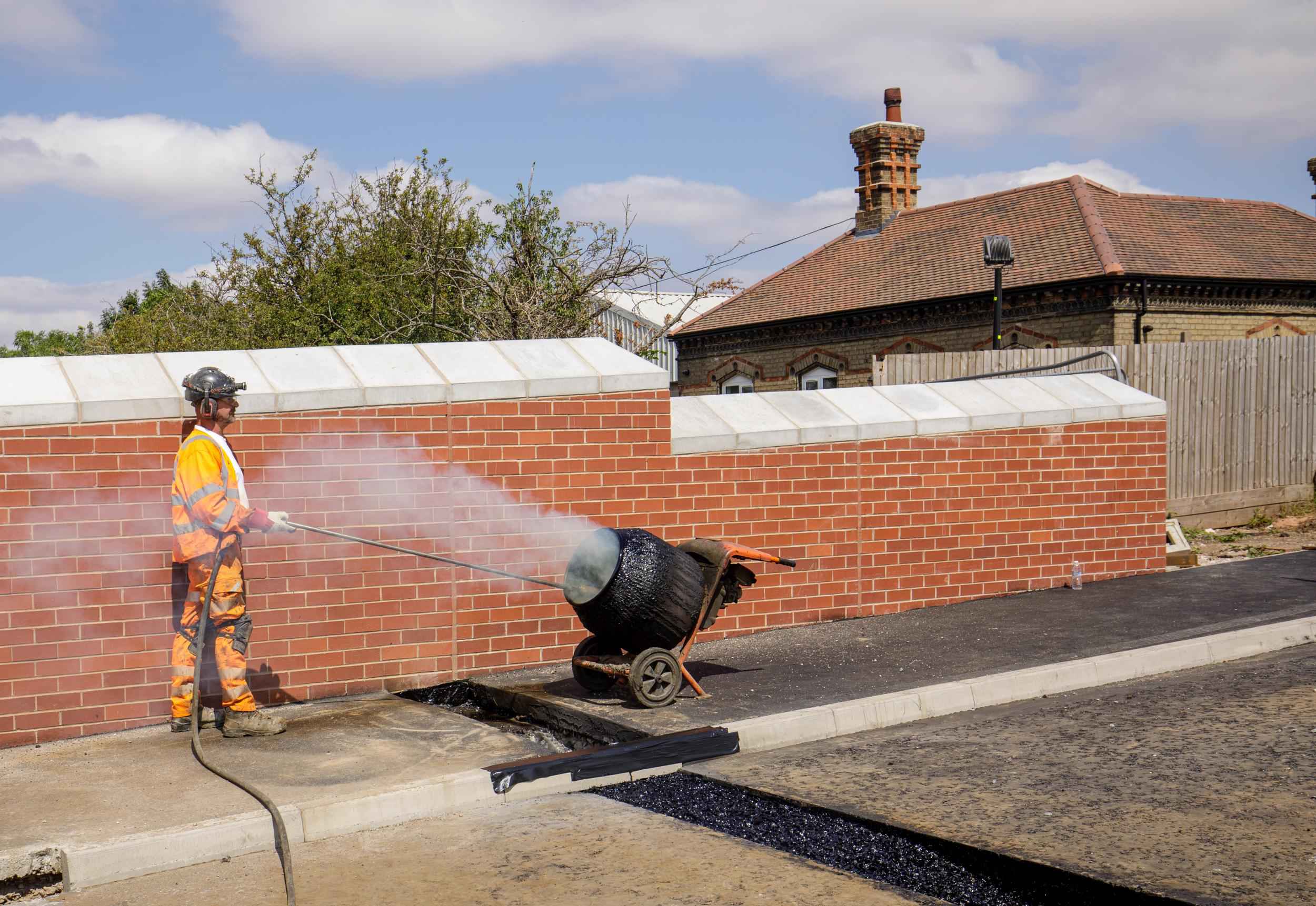
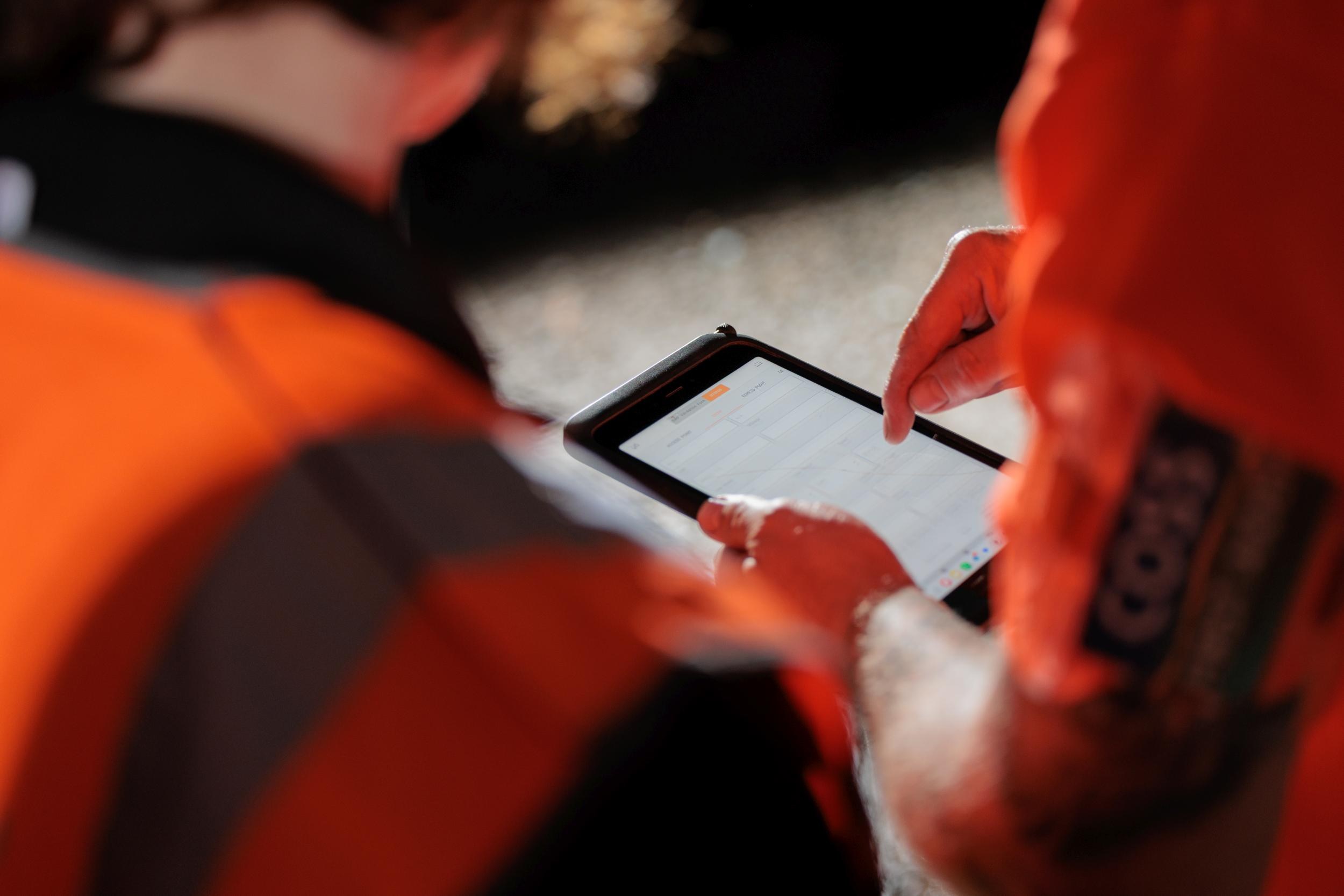
The engineering is already good. The photography just needs to catch up.
What It Takes
What good construction photography actually involves
01
Timing matters more than equipment
The best construction images don’t happen by accident — being in the right place when the light and the moment line up takes planning, not luck.
02
People make projects credible
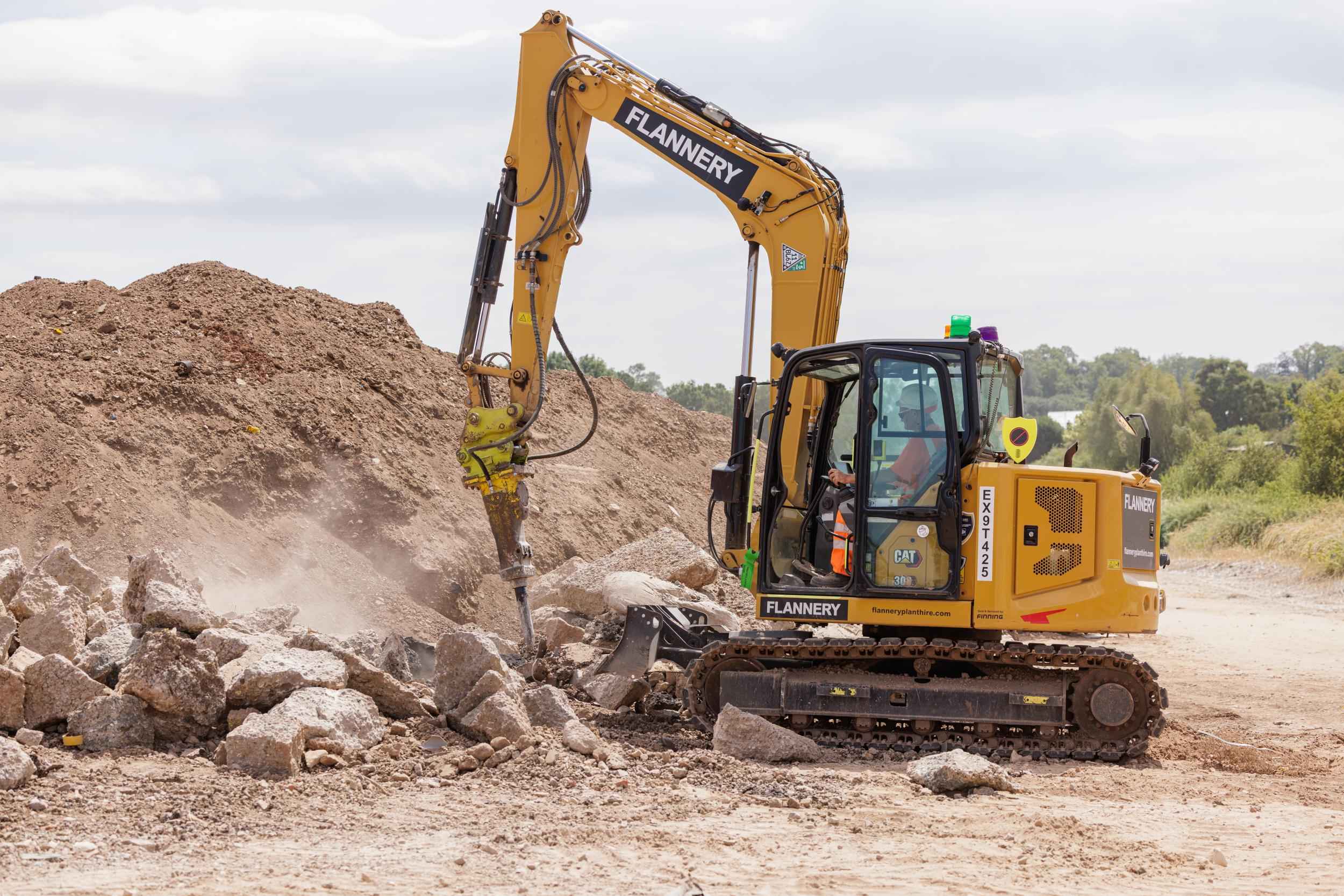
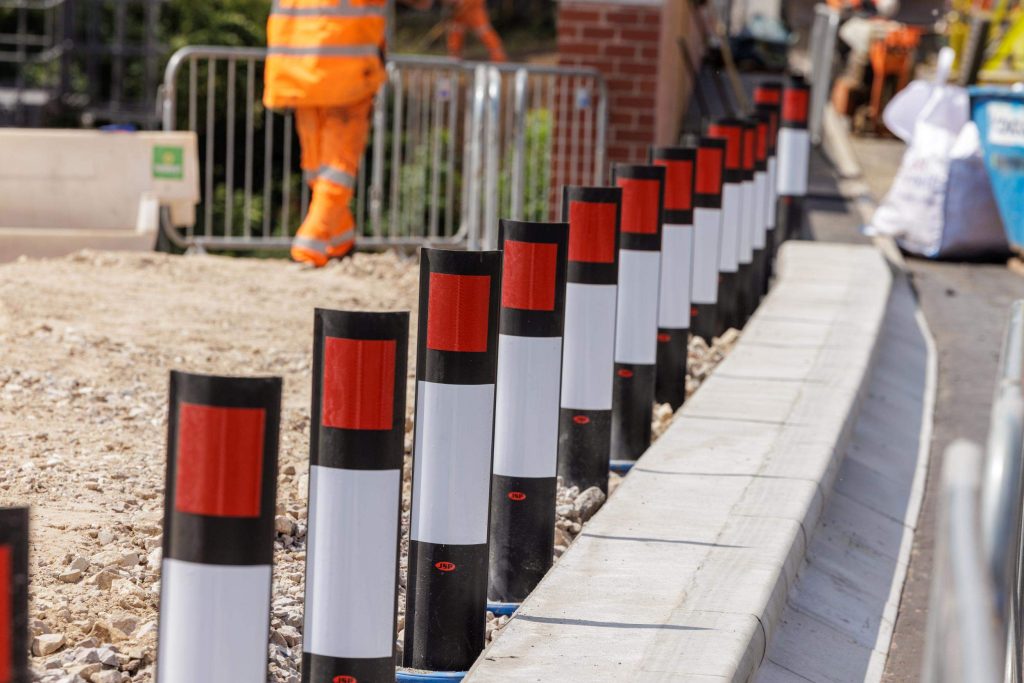
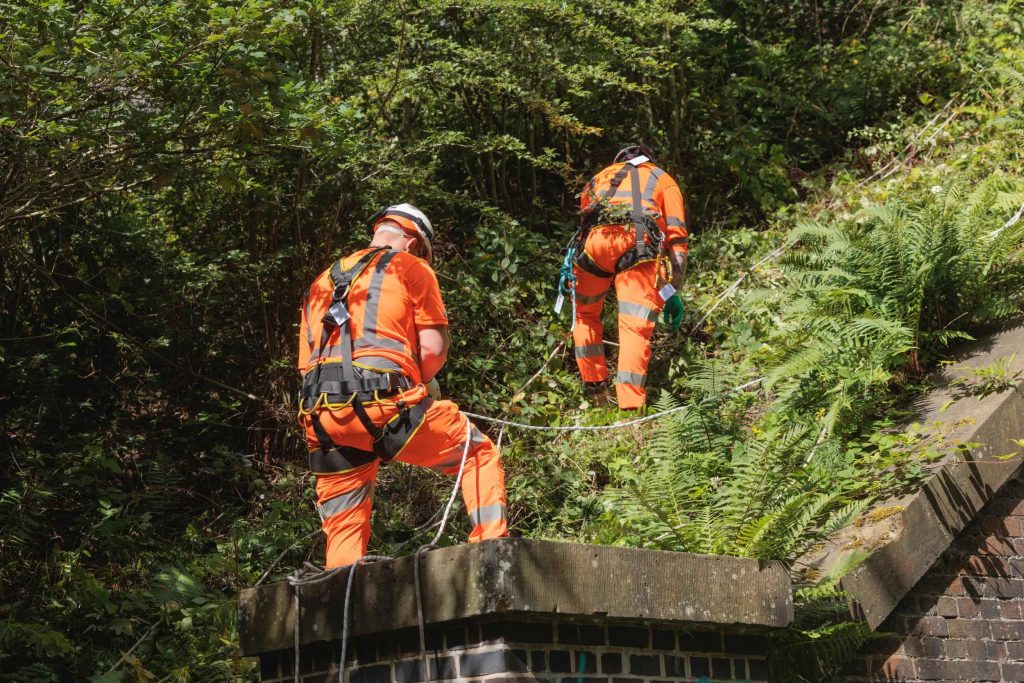
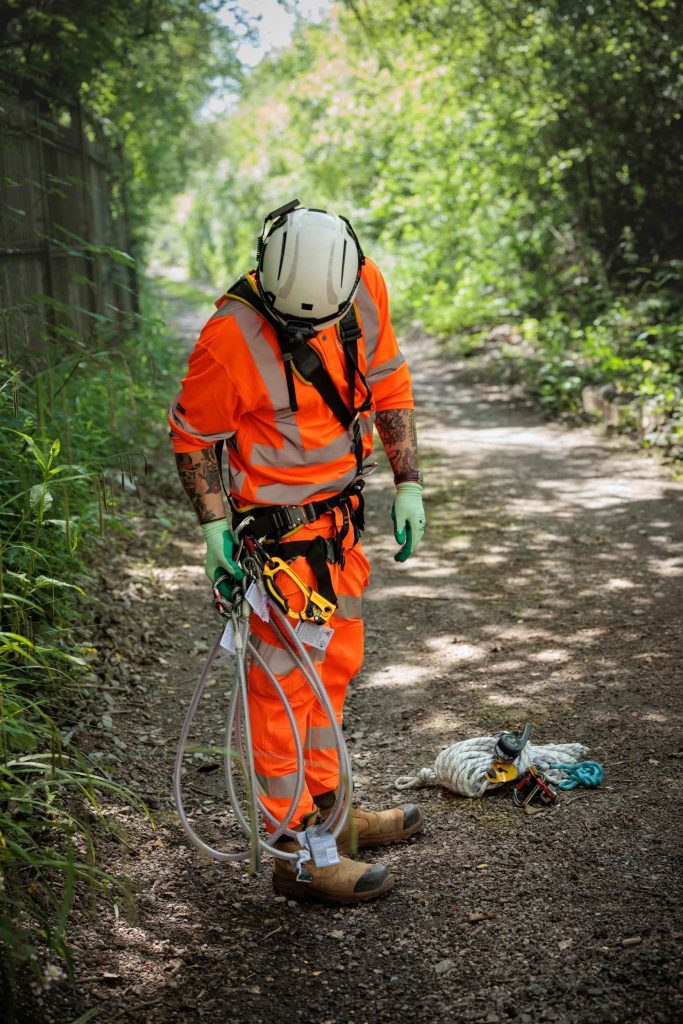
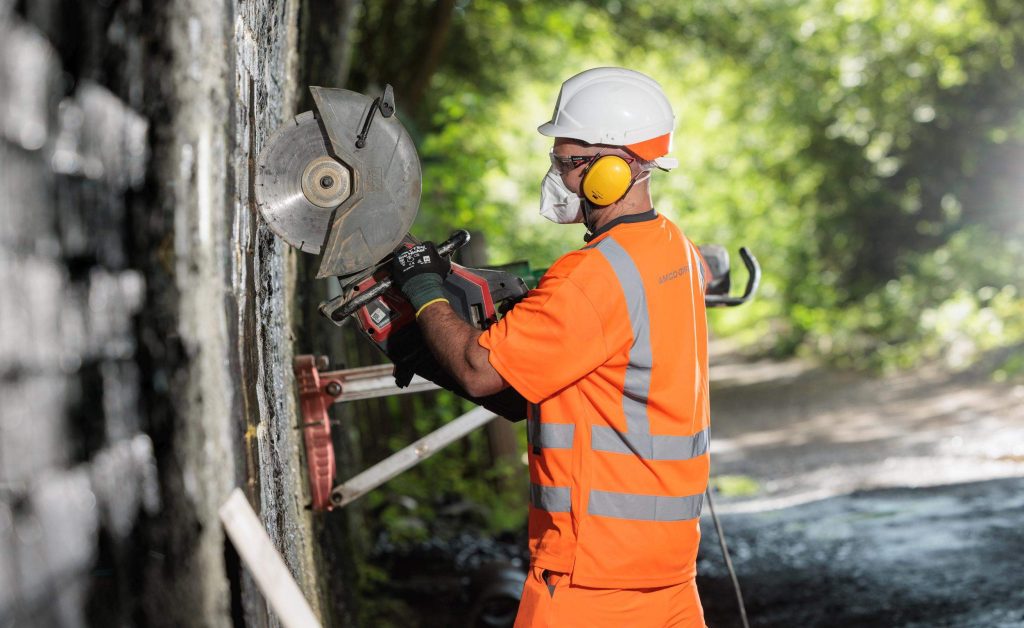
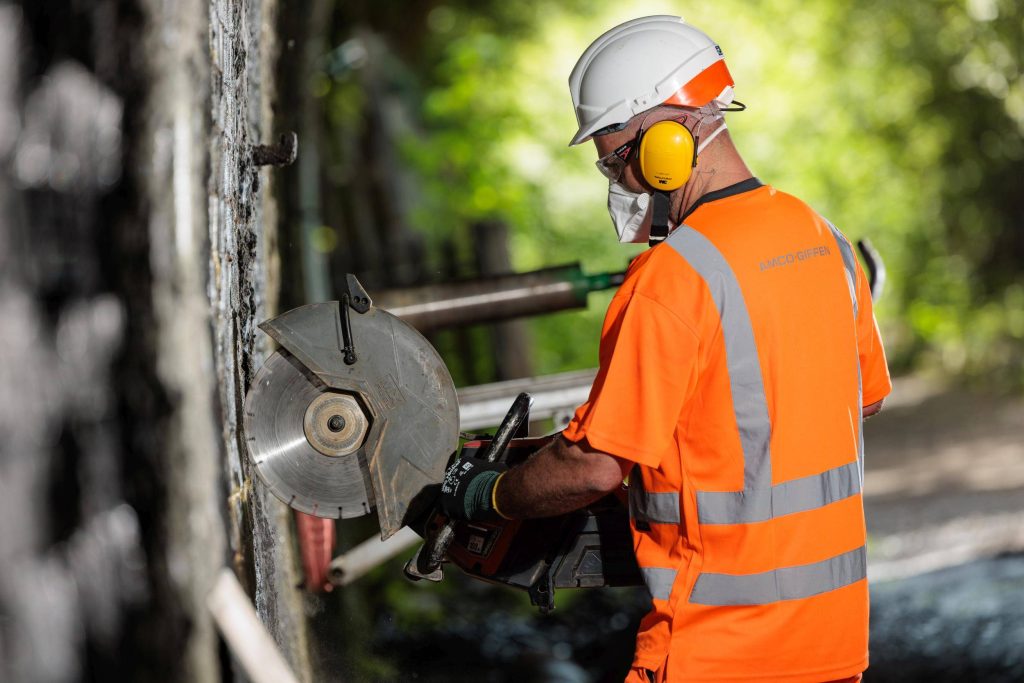
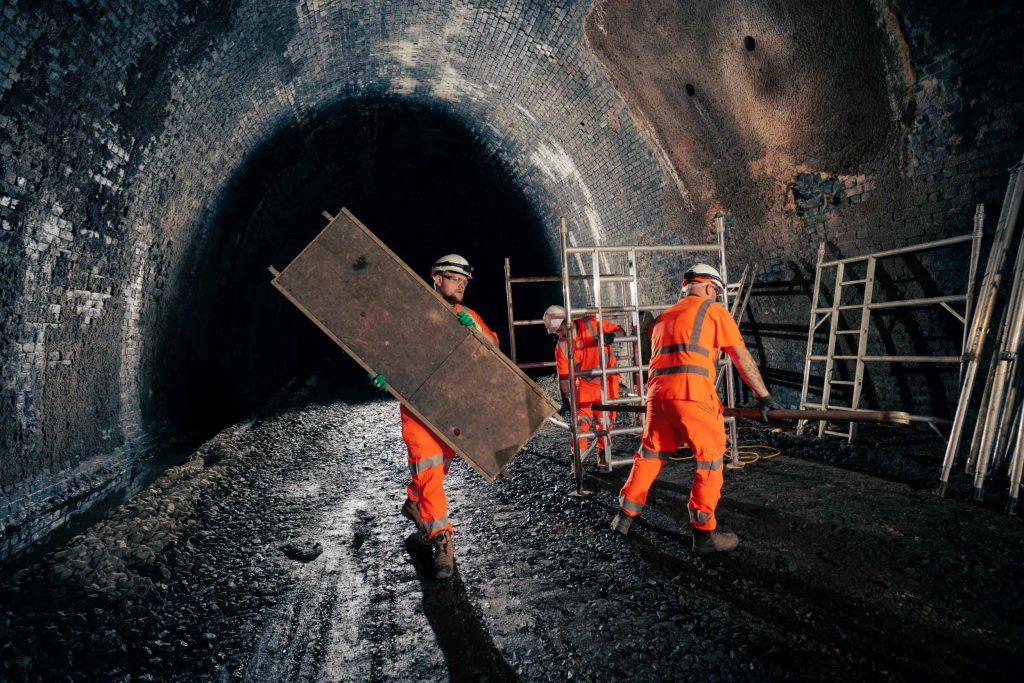
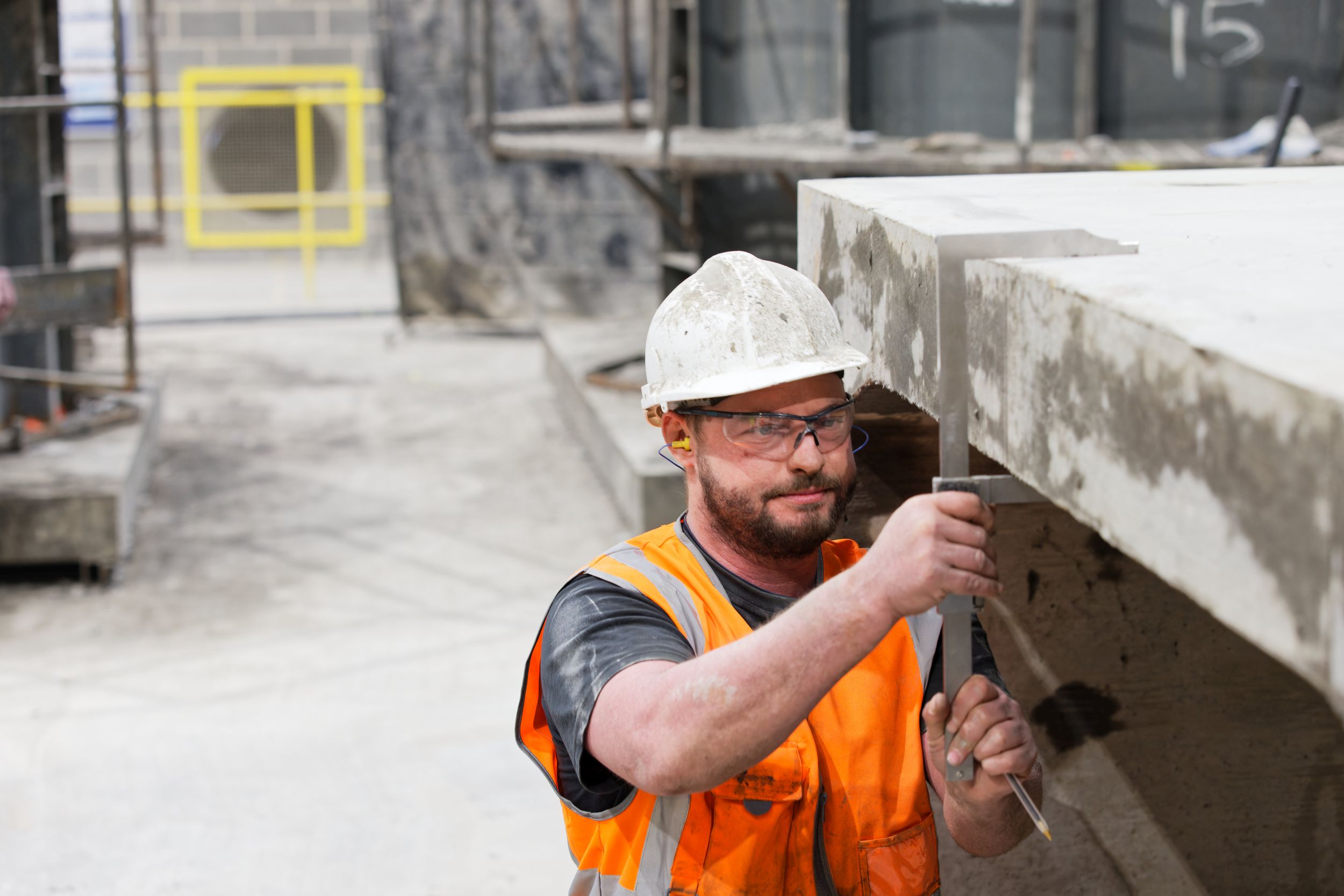
A site with no people in it looks abandoned. Your team in hard hats and high-vis, focused on the work, is what tells the viewer this is live, active, and professionally run.
03
Scale is hard to show from eye level
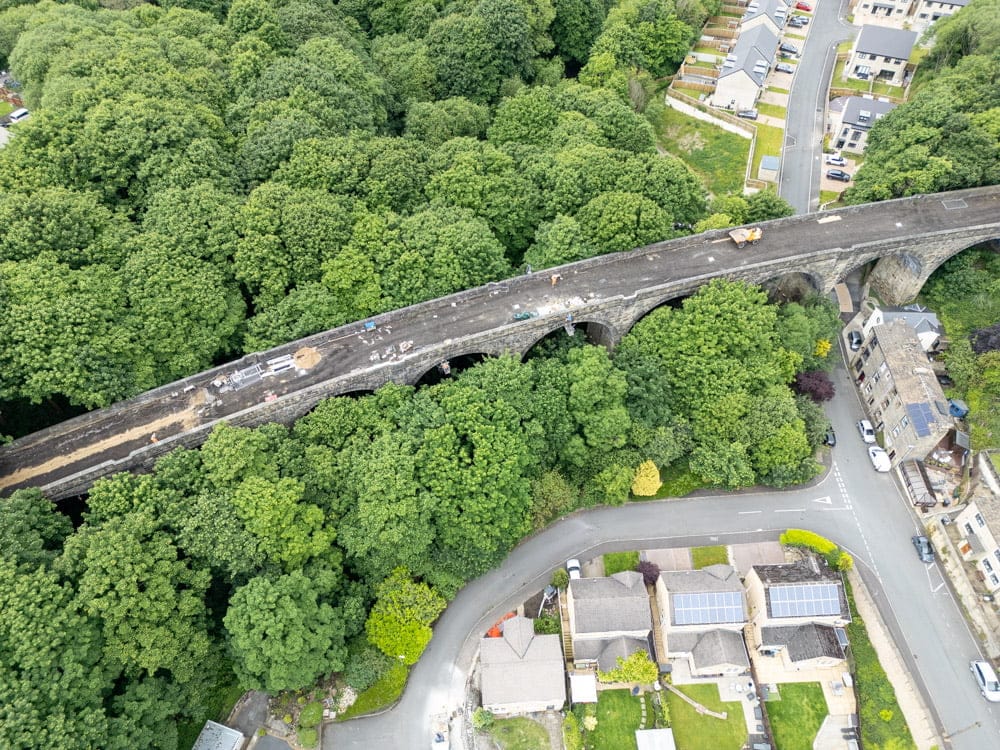
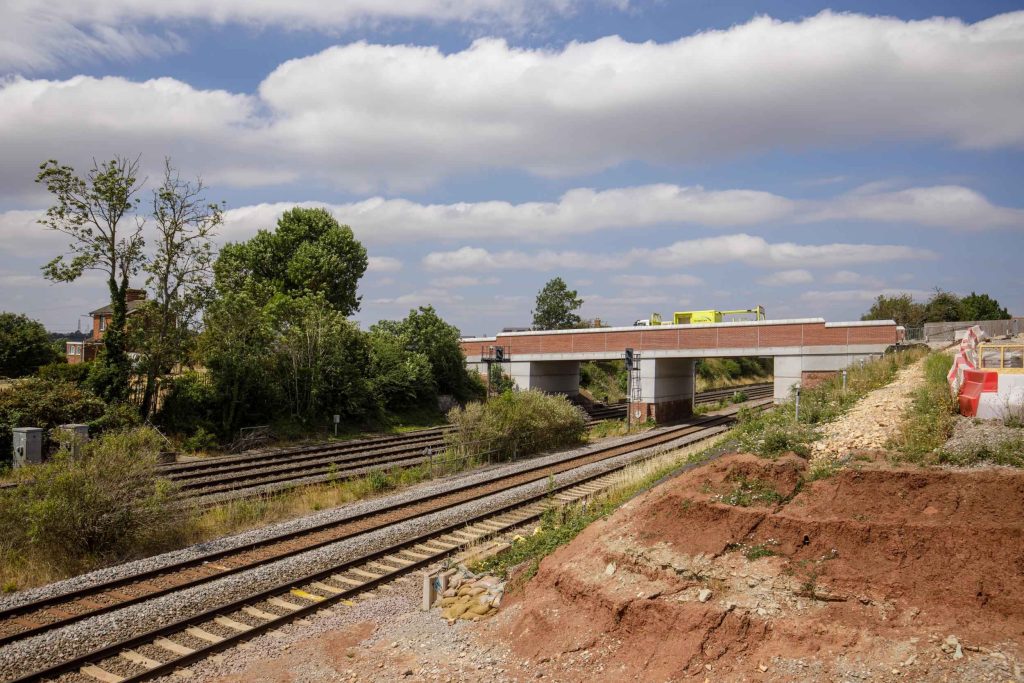
Some of the most impressive engineering looks unremarkable from the ground. A viaduct or a major infrastructure project needs height to show its actual scale — from the air, a muddy field becomes something genuinely impressive.
The Photographer
Knowing the site before the shoot
Knowing this is one thing; getting photography that delivers it is another.
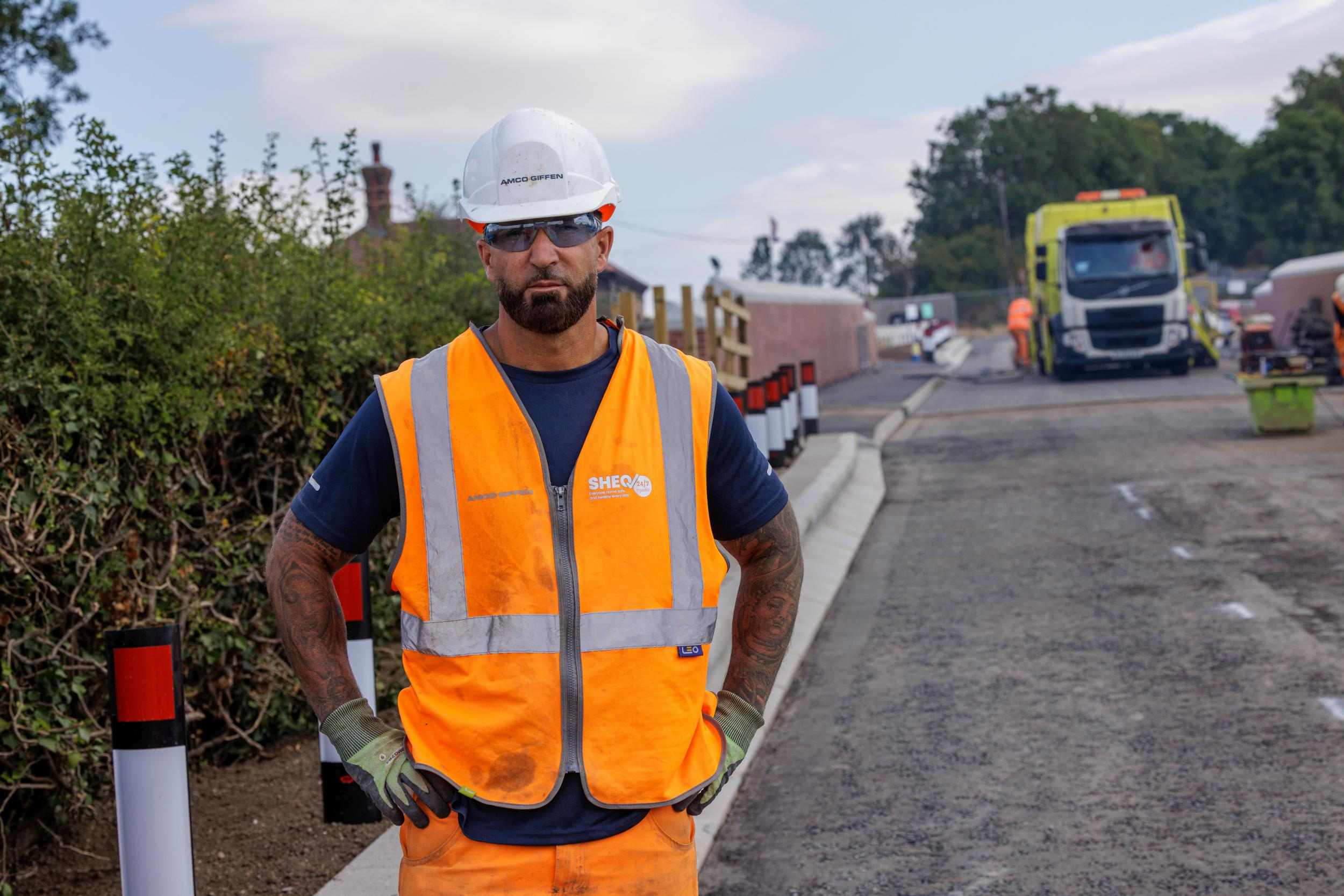
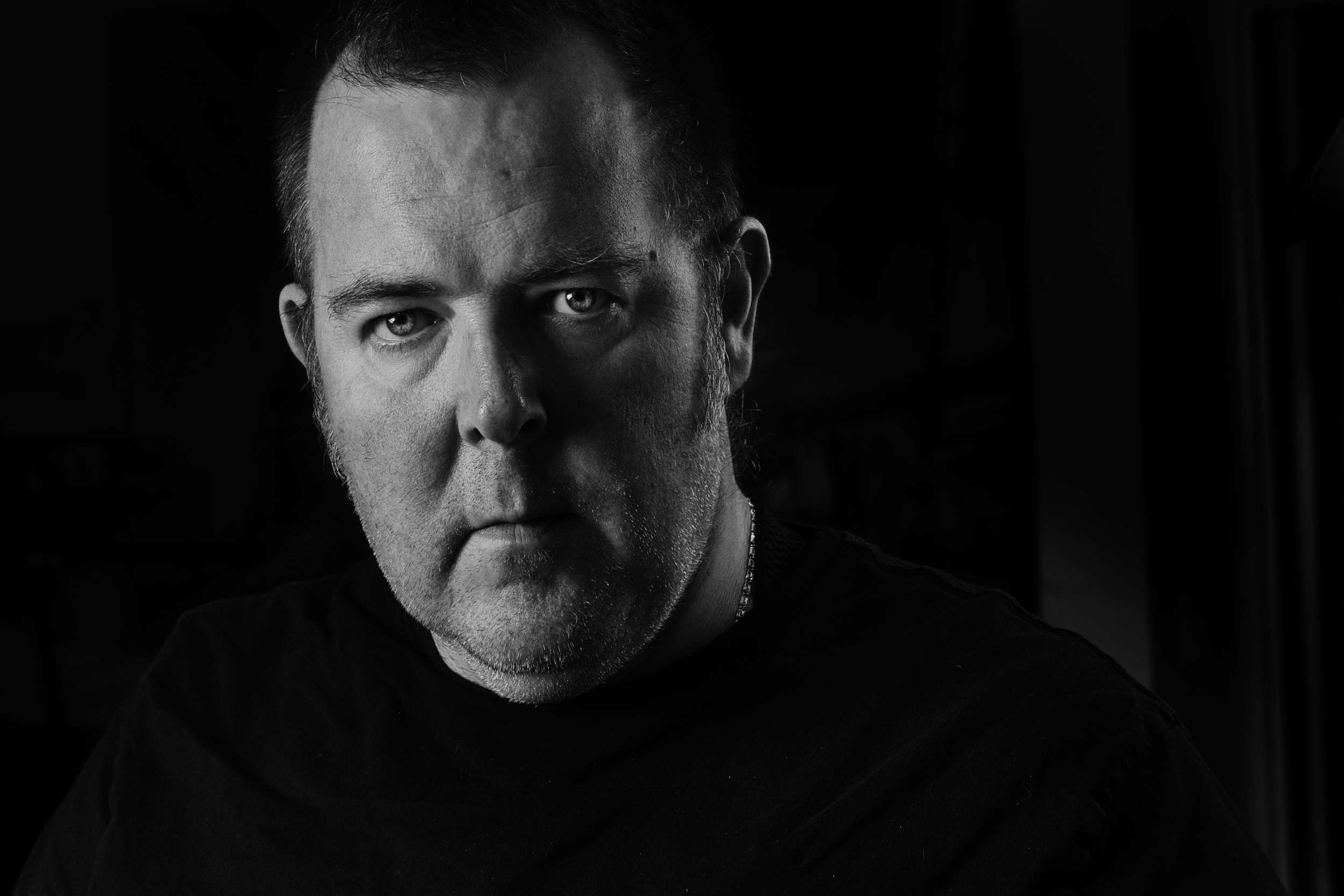
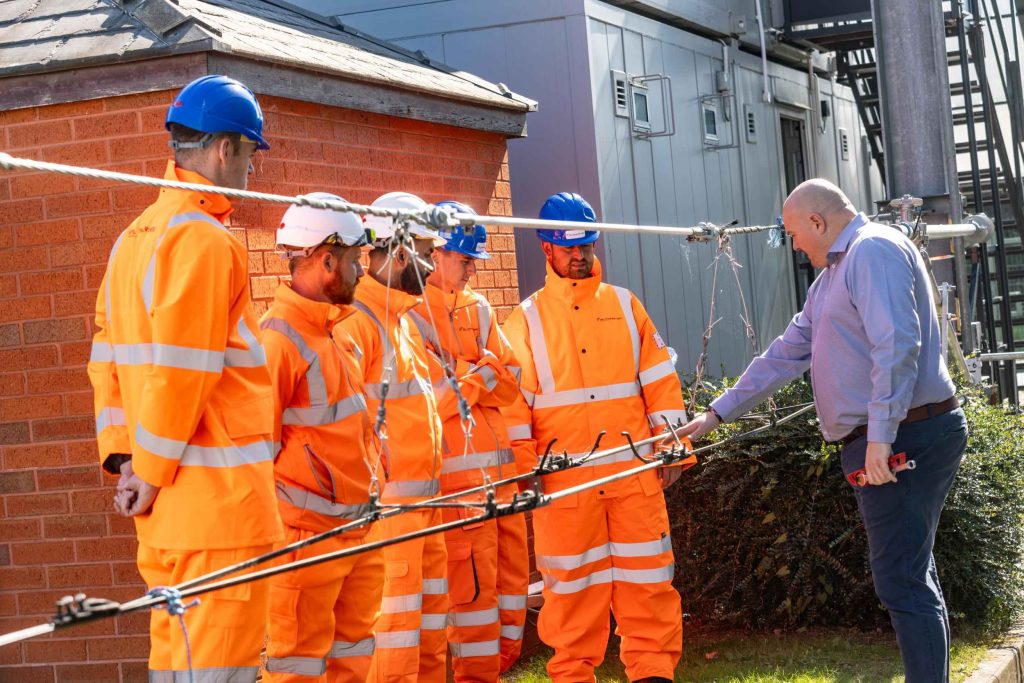
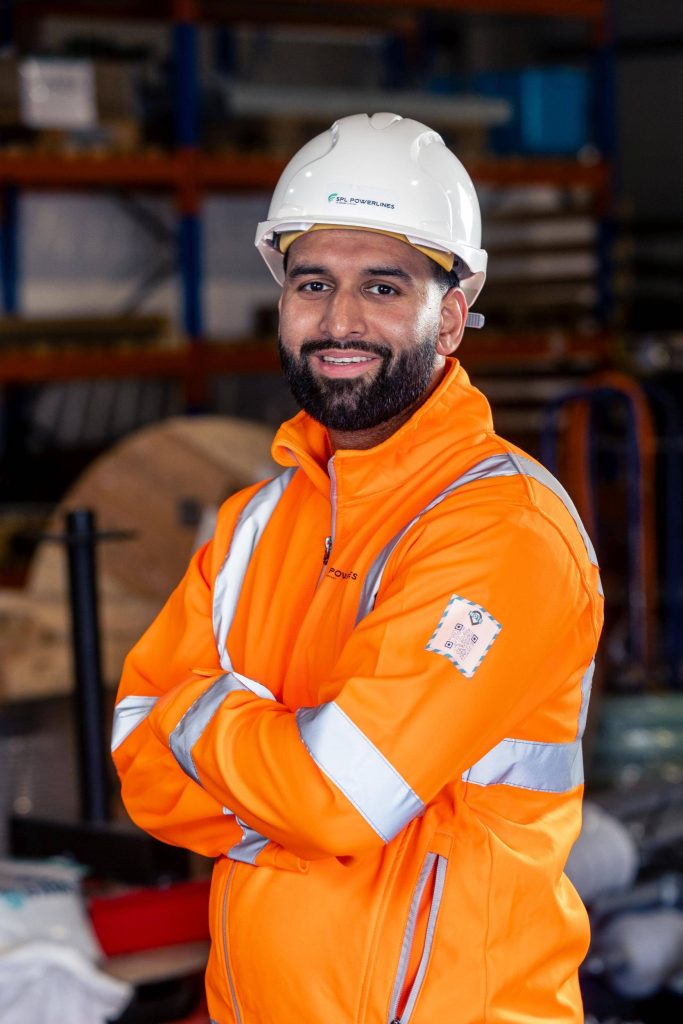
I’m Ade Wilson, the photographer behind McFade Photography. I’ve been doing commercial photography since 2010, with a civil engineering degree and a CAA drone licence. I’ve worked on infrastructure, rail, and manufacturing sites across Yorkshire and the North — including for Amco Giffen, SPL Powerlines, TEAM Scaffolding, and GASMECH Bradford.
That means I understand what you’re building and what the image needs to communicate.
What McFade Brings
Three things that make the difference
01
Images your bid team will actually use
Your marketing and bid teams spend hours searching for photography strong enough for a client panel. I produce a proper image library — ground shots, aerial views, people at work, project context — real assets they can actually use.
02
Drone coverage that shows the scale of what you’ve built
Some projects can only be understood from the air. I’m a CAA-authorised drone operator experienced on construction and infrastructure sites — proper planning, proper permissions, imagery that shows the scale.
03
A photographer who understands site reality
No faff, no drama. I work around your schedule, your access windows, your milestones, and your conditions — and arrive fully equipped to handle whatever the day throws at it.
Progress
Construction progress photography
Progress photography is a dated visual record of the job, taken from the same spots each visit so you can line one month up against the next. Done properly, it covers three jobs at once: client reporting, your own records, and a stock of images for bids and social.
The trick is consistency. I fix the viewpoints on the first visit and come back to them, so the sequence reads like a flip book rather than a pile of unrelated photos. Where height helps, the drone flies repeatable routes, so the aerial views line up from one visit to the next too.
How often is up to you. Monthly works well on most jobs, and a run of around five visits is common, but it’s planned around your programme. I’ve got a civil engineering degree, so I know which stages are worth catching before they’re buried.
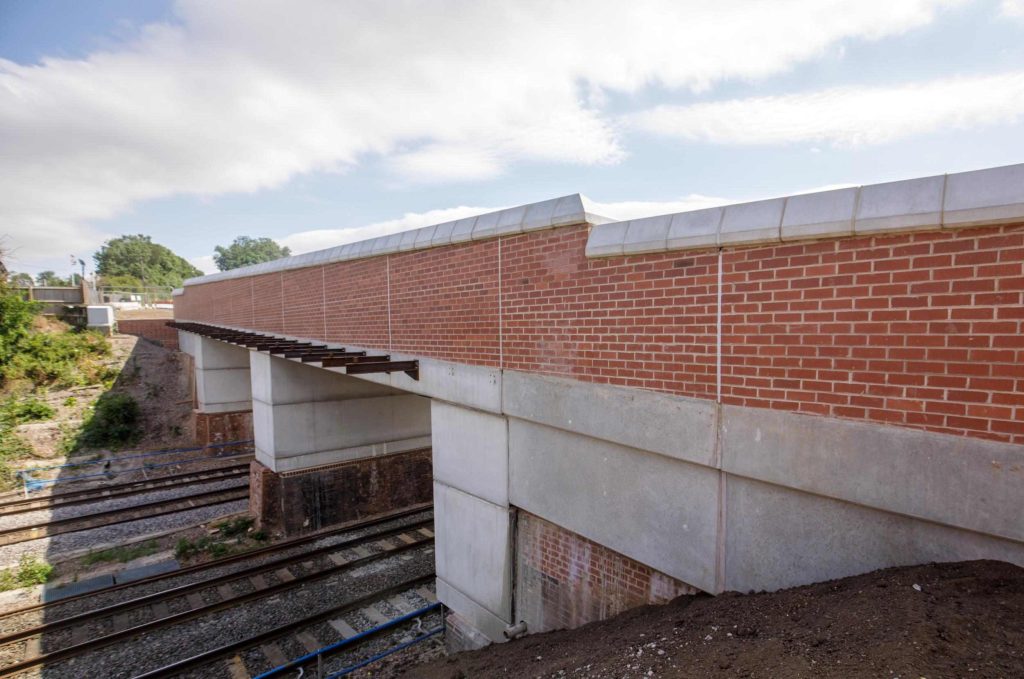
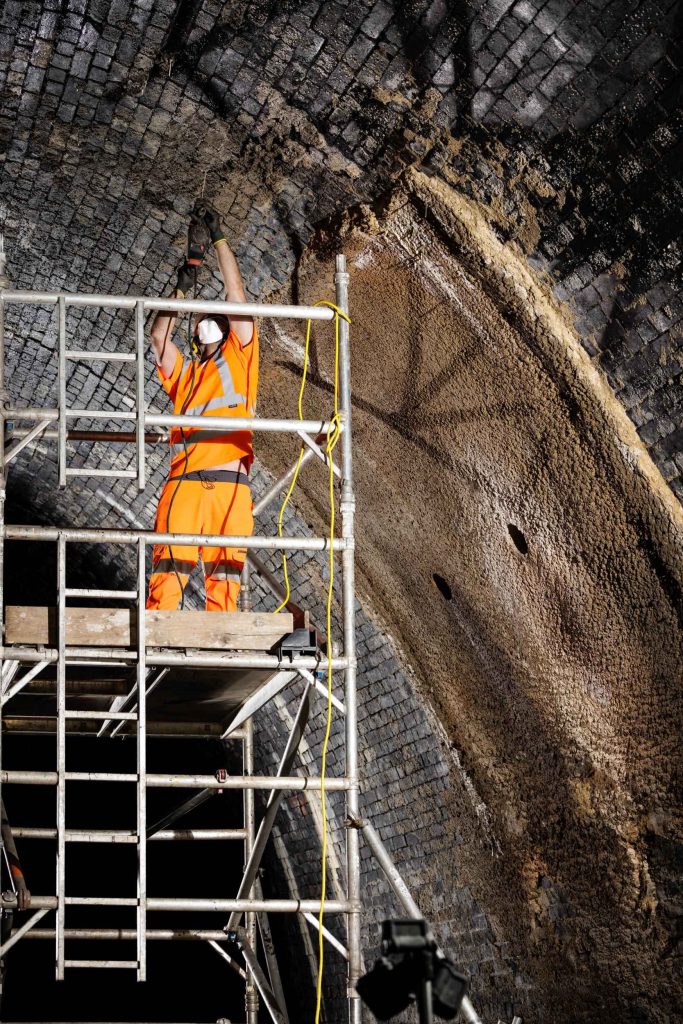
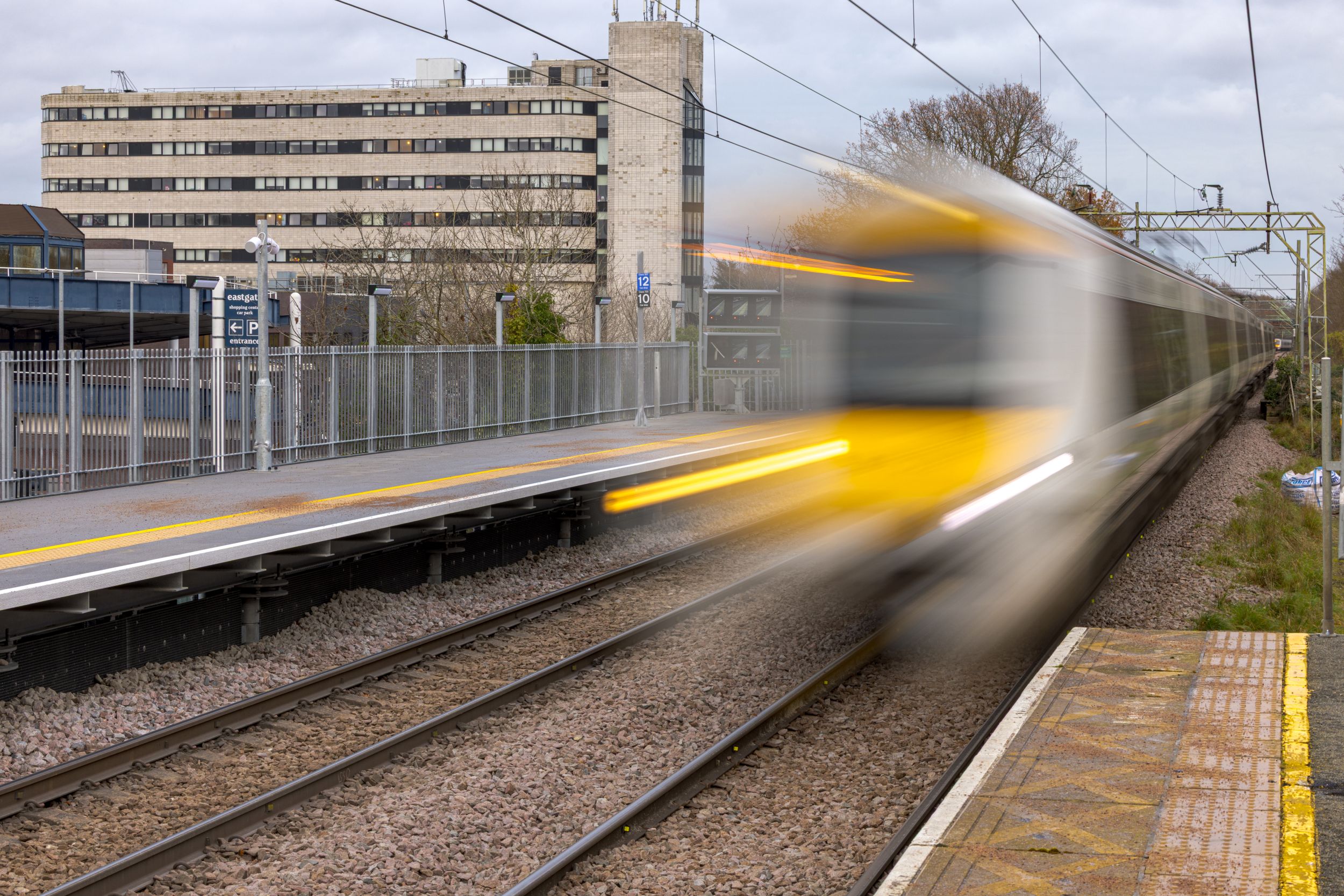
The longest so far ran for about eight months — a viaduct renovation near Halifax, with the drone up on many of the visits. Another followed the renovation of Keighley station and the Worth Valley station over several visits.
Progress photographs are visual evidence of what the site looked like on the day. They aren’t a structural survey or a formal inspection report.
Client Feedback
What clients say
“Just a quick note to say thank you for your input, expertise and efforts. It was a long day, but we achieved so much great content and I can’t wait to see the results. Both Simon and I were really pleased with how the day went.”
Richard Terry
“Thanks again for the shoot, really appreciate it. I think we got a great mix of shots and it all felt really relaxed on the day, which was perfect.”
Gem Spencer
“That looks fine, thanks. When we do the next visit, it would be good to get some more footage and stills.”
Dave Martin
How It Works
Straightforward from first contact to final images
01
Tell me about the project
Tell me what stage it’s at, what you need the images for, and when the key moments are. I’ll come back with a clear scope and an honest assessment of what’s achievable.
02
We plan around your site and schedule
Access windows, milestones, PPE requirements, site inductions — all sorted in advance, planned around how the site actually works.
03
You get a proper image library
Turnaround depends on the size of the job. I’ll give you a date when we book it, and I’ll stick to it — a complete image library your team can actually use.
Industrial & Manufacturing
Industrial and manufacturing photography
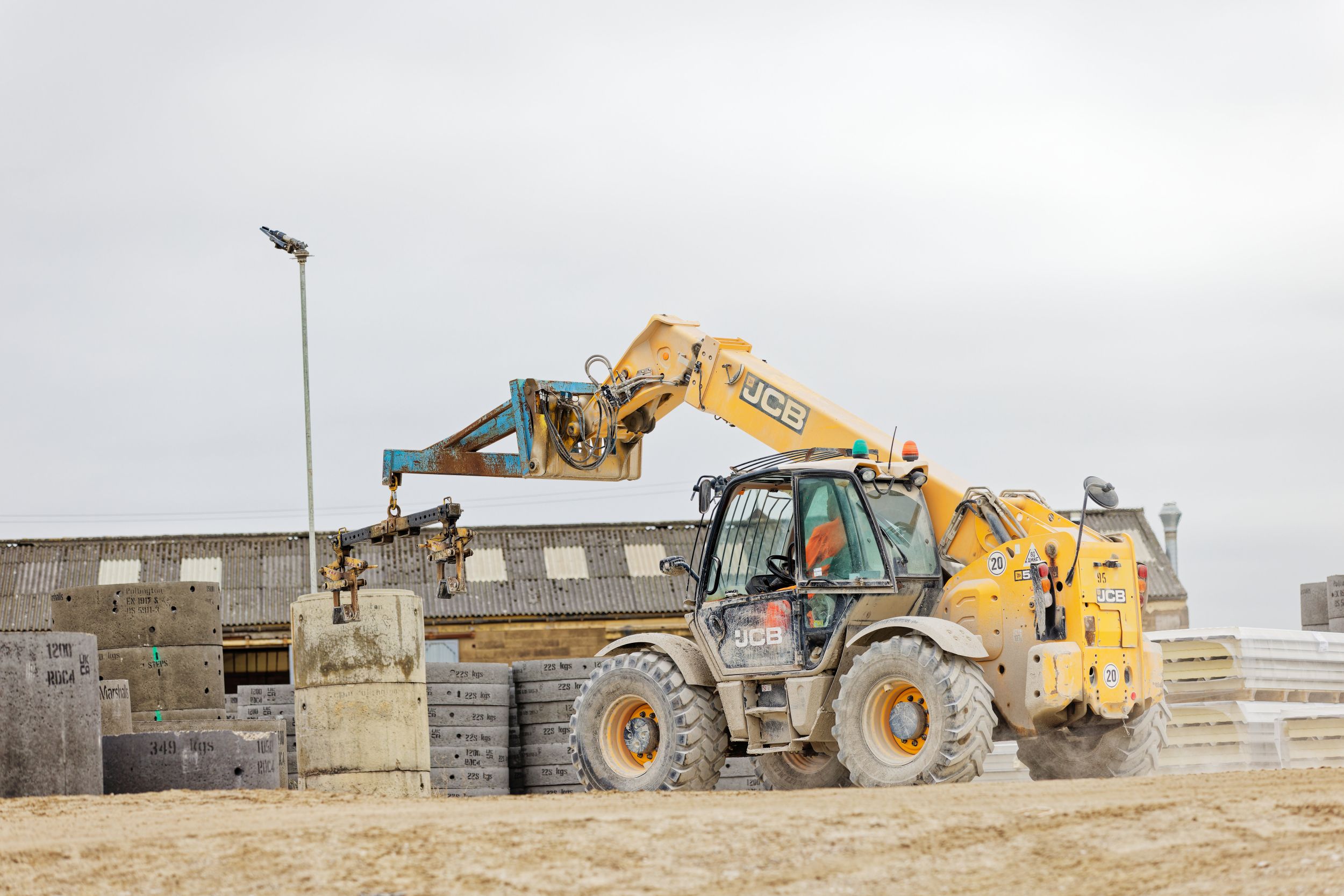
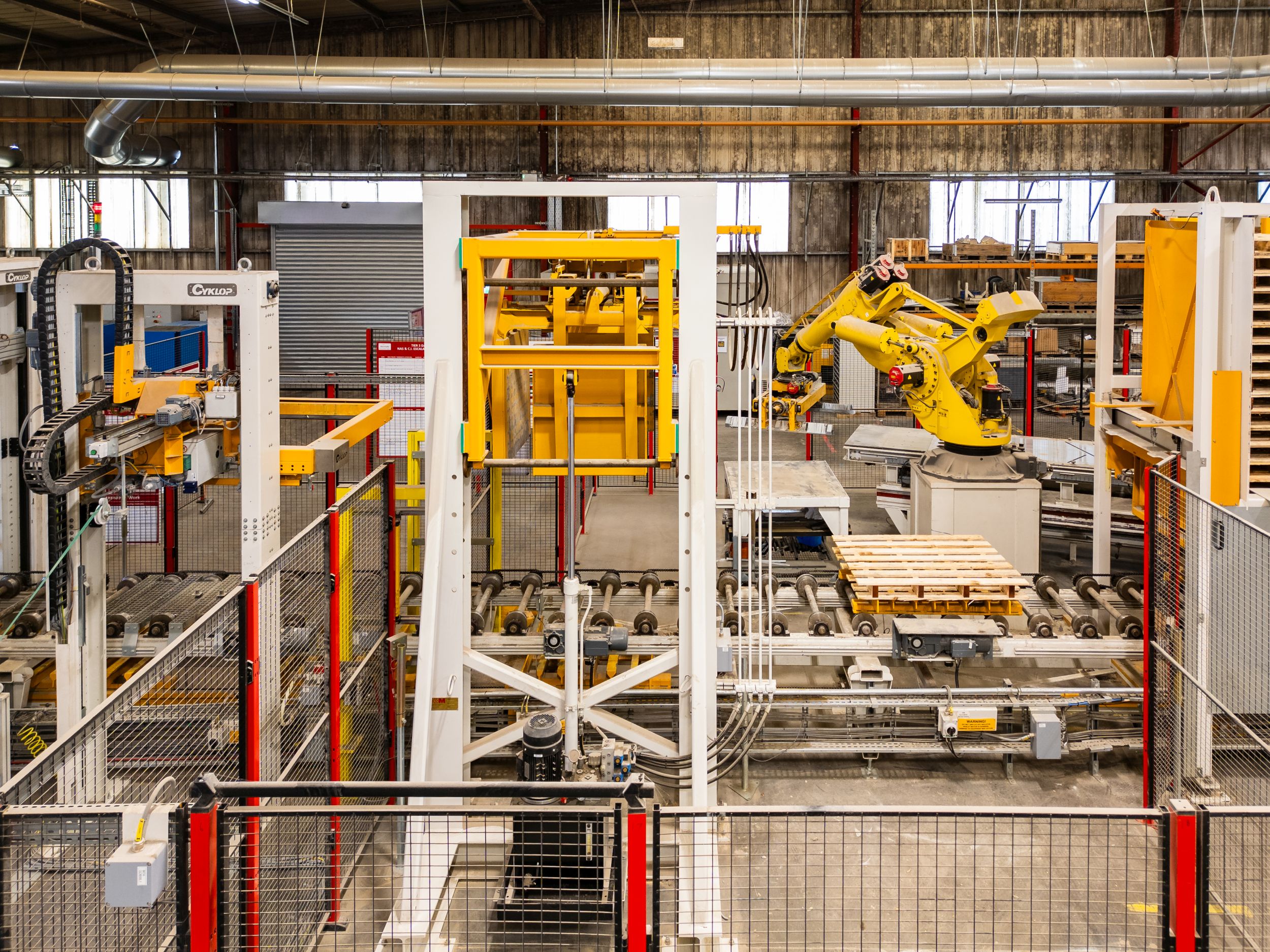
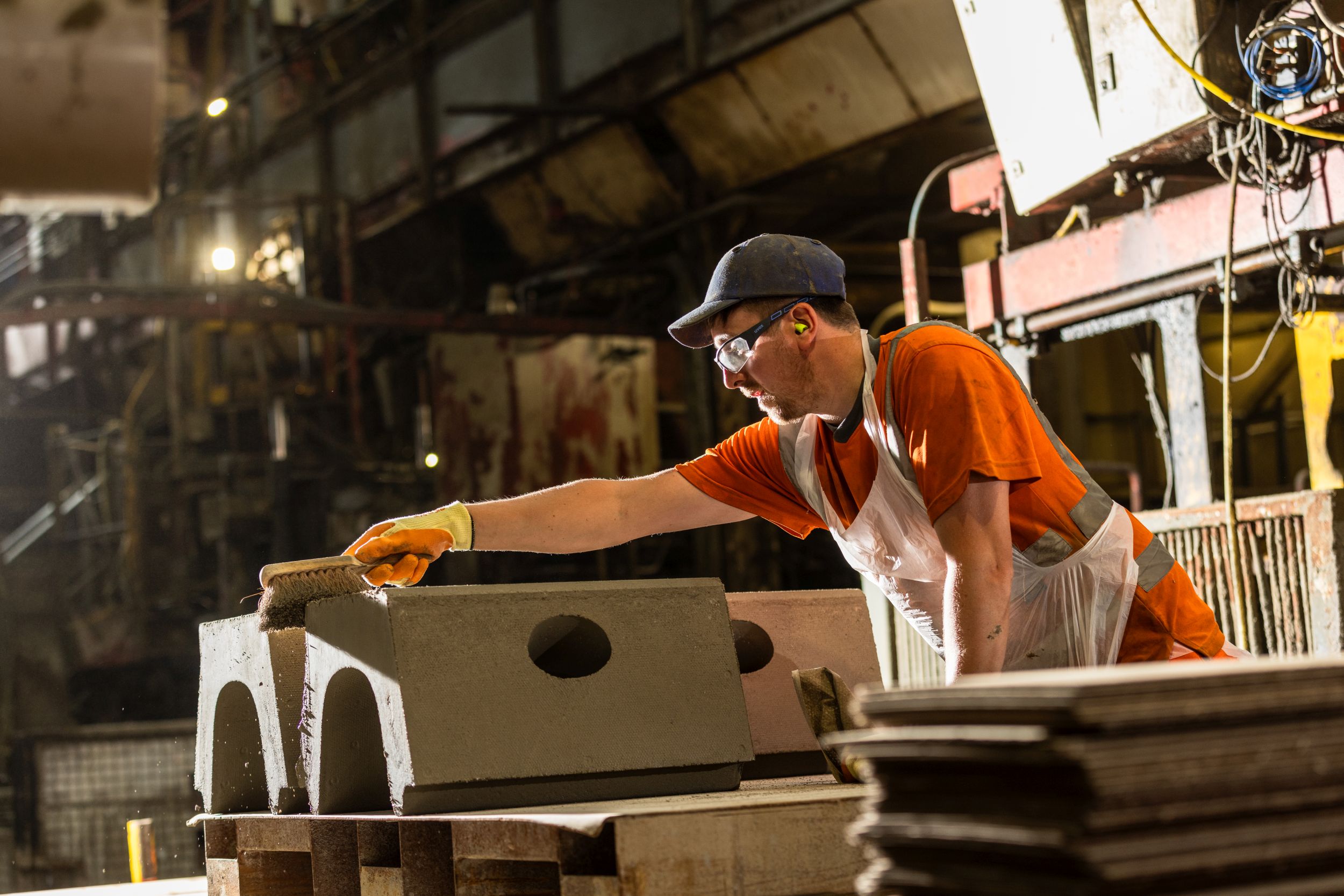
Alongside construction, I work as an industrial photographer for manufacturers across Yorkshire — factory floors, plant, production lines and yards.
A working factory is a different brief to a building site. Machinery running, product moving down the line, people working close to it safely — the photography needs to read as controlled and professional, not chaotic.
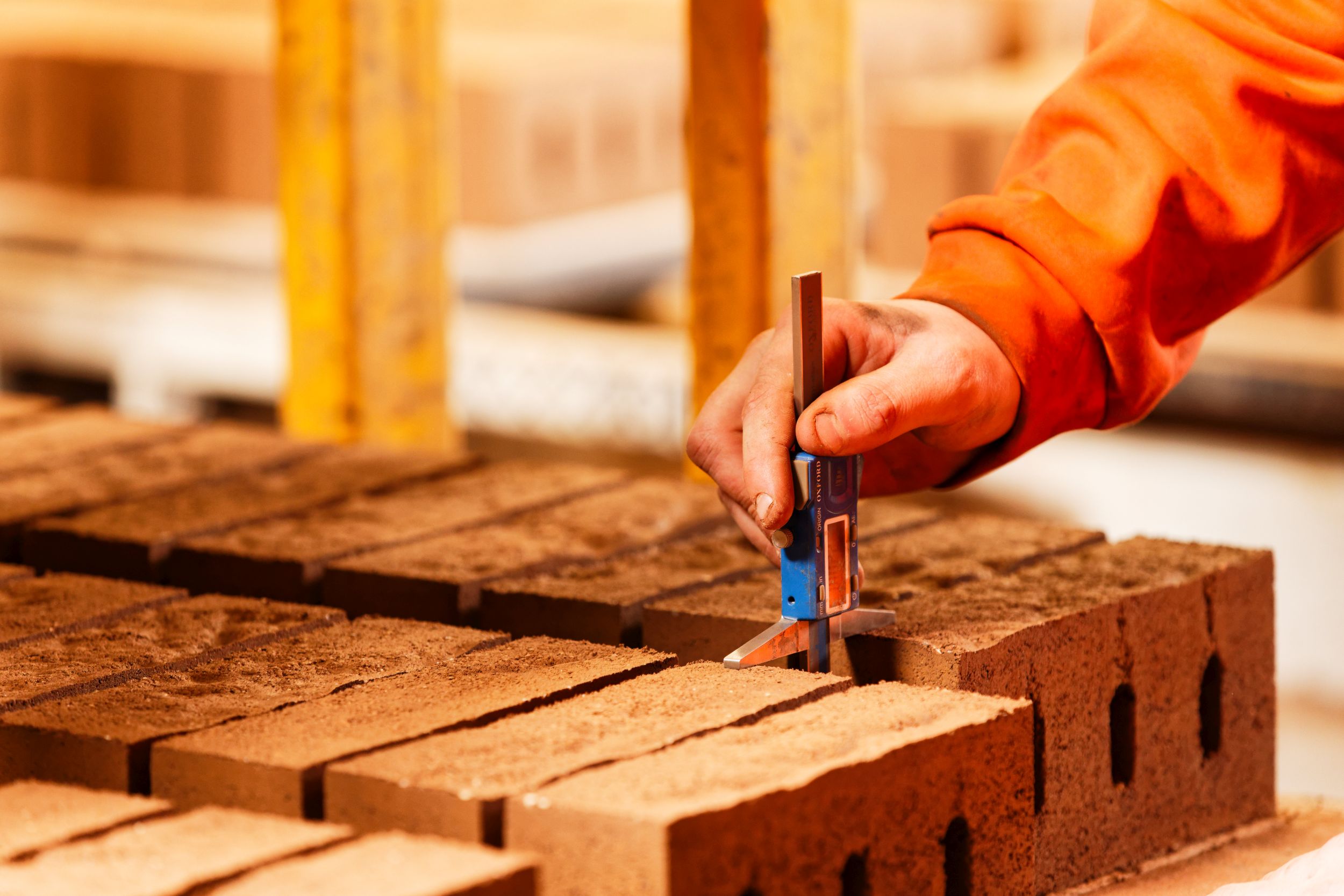
I’ve covered production lines, quality checks, plant and machinery, and aerial yard views for manufacturers including Marshalls and Aarsleff — images used for marketing, recruitment, and showing clients round a site they’ve never actually visited.
Same planning, same PPE and site-induction process as a construction shoot — fitted around your production schedule rather than stopping the line.

— More From The Field



At A Glance
What you get
- Based in Leeds, covering Yorkshire and the North of England
- Civil engineering degree — understands what you’re building and why the image needs to communicate it
- CAA-authorised drone operator — insured and registered for live construction and infrastructure sites, with proper planning and permissions
- Named clients include Amco Giffen, SPL Powerlines, TEAM Scaffolding, GASMECH Bradford
- Works around site access, PPE requirements, and your milestones — no hand-holding required
- Full image library per shoot — aerial, ground-level, people-at-work, project context
- Delivery date agreed when you book
- Broad commercial usage rights included — bids, website, case studies, PR, social media, annual reports
Questions
Frequently asked questions
How often should construction progress photos be taken?
It’s up to you and the pace of the job. Monthly is the most frequent I’ve done, and a run of around five visits is common. We’ll agree it at the start, so you’re not paying for visits where nothing visible has changed.
Can you work on a live site with PPE and inductions?
Yes. I bring my own PPE, and access windows, PPE requirements and site inductions are sorted in advance, planned around how your site actually runs. I fit around your milestones and conditions rather than the other way round.
Do you use a drone on site?
Where it adds something, yes. I hold a CAA operational authorisation (PDRA01) for commercial drone work. Whether the drone flies on a given visit depends on the site, the permissions and the risk assessment, and that’s all agreed with you beforehand. More on drone photography.
How quickly do we get the images?
Turnaround depends on the size of the job. I’ll give you a delivery date when we book it, and I’ll stick to it. For progress work, that means each visit’s images come back on a predictable schedule, ready for your next client report.
Can we use the photos in bids and marketing?
Yes. Broad commercial usage is included: bids, your website, case studies, PR, social media and annual reports. The point of a proper image library is that your marketing and bid teams can actually use it, rather than hunting for something good enough the night before a deadline.
What does construction photography cost?
It’s priced by time on site, so a short visit costs less than a full day of coverage. Current rates are on the pricing page. If you’re planning a run of progress visits, tell me about the programme and I’ll come back with a clear scope.
Further reading
Got a project worth photographing?
Tell me about the project — what stage it’s at, what you need the images for, and when the key moments are.